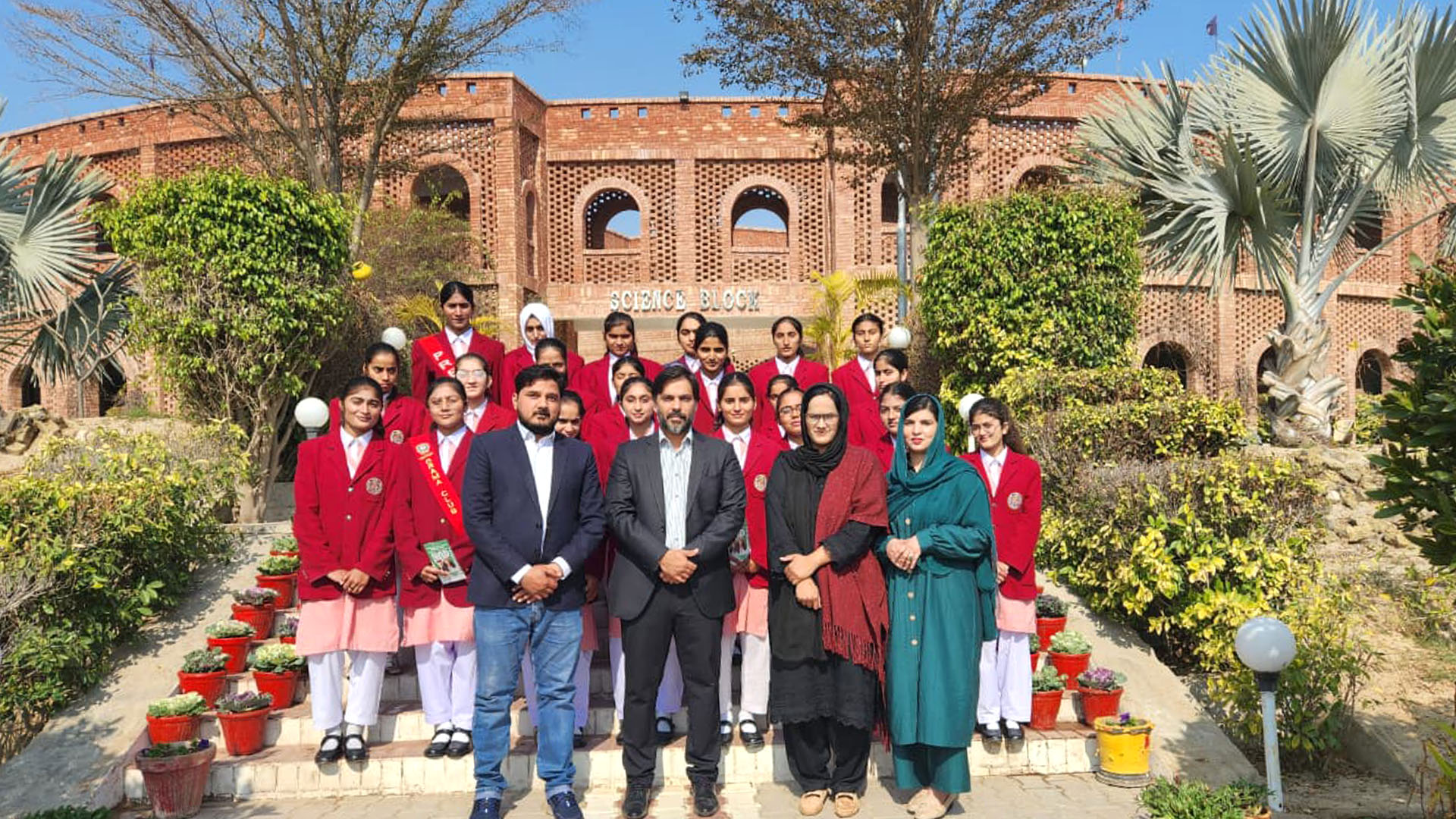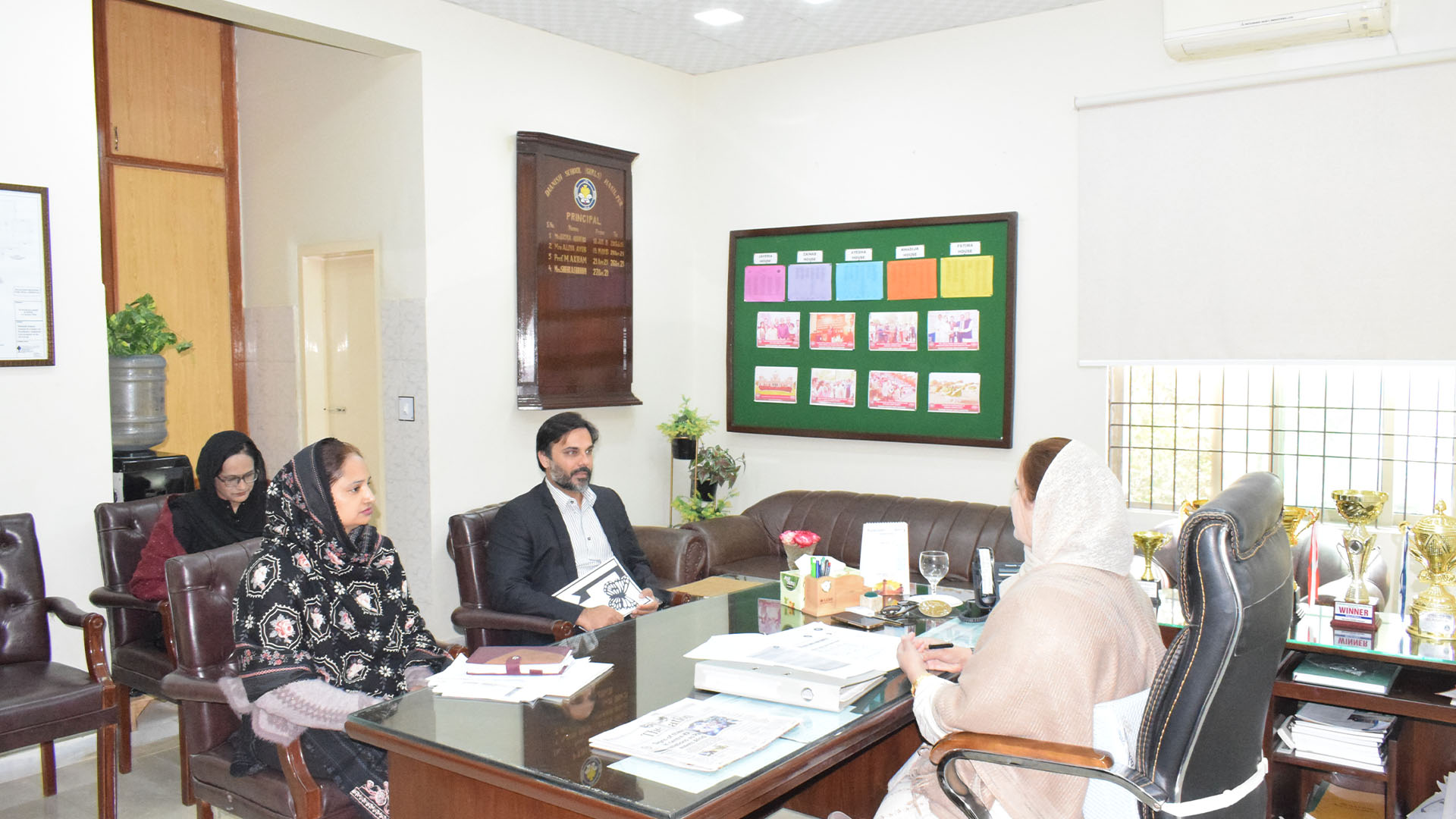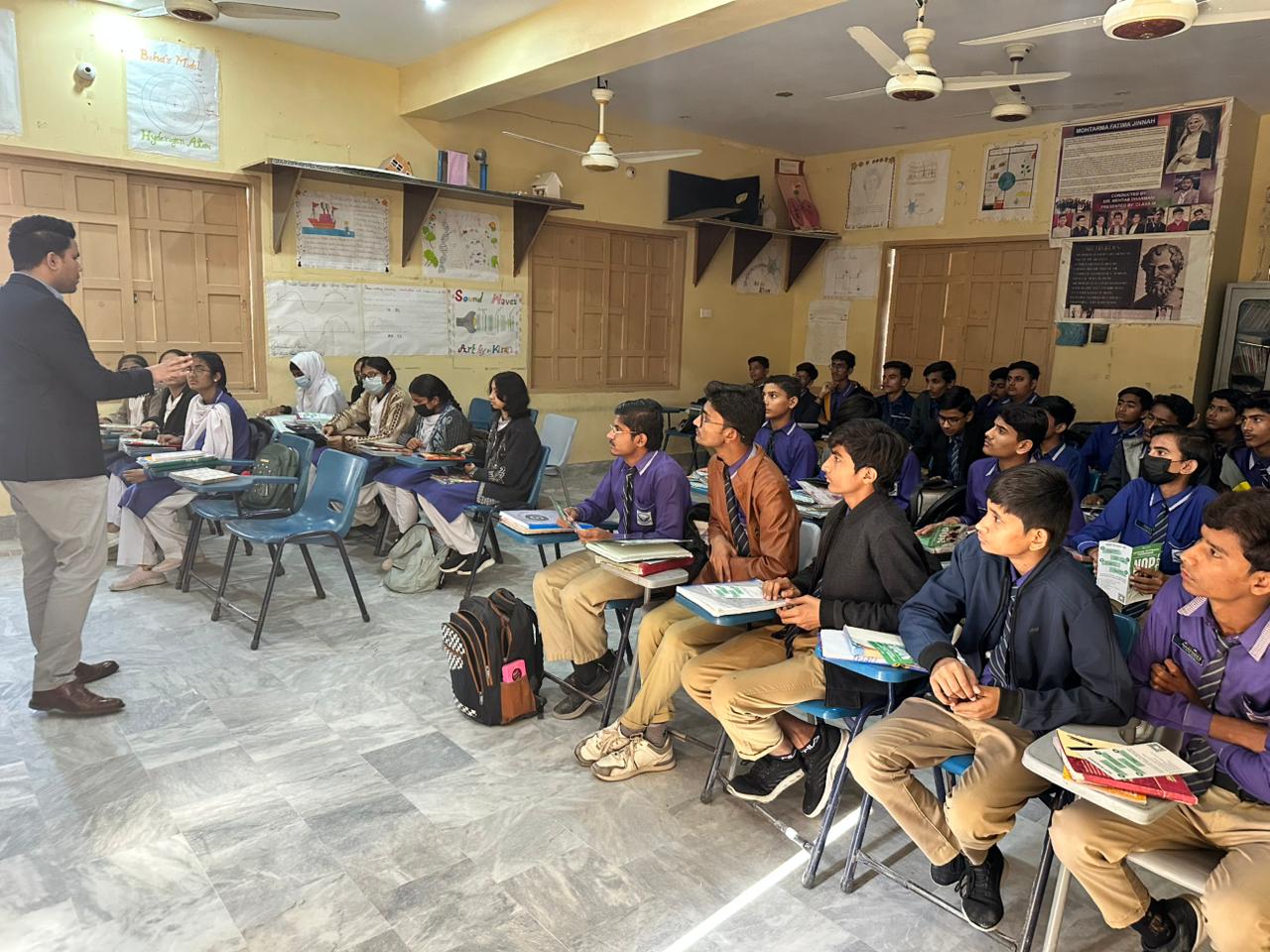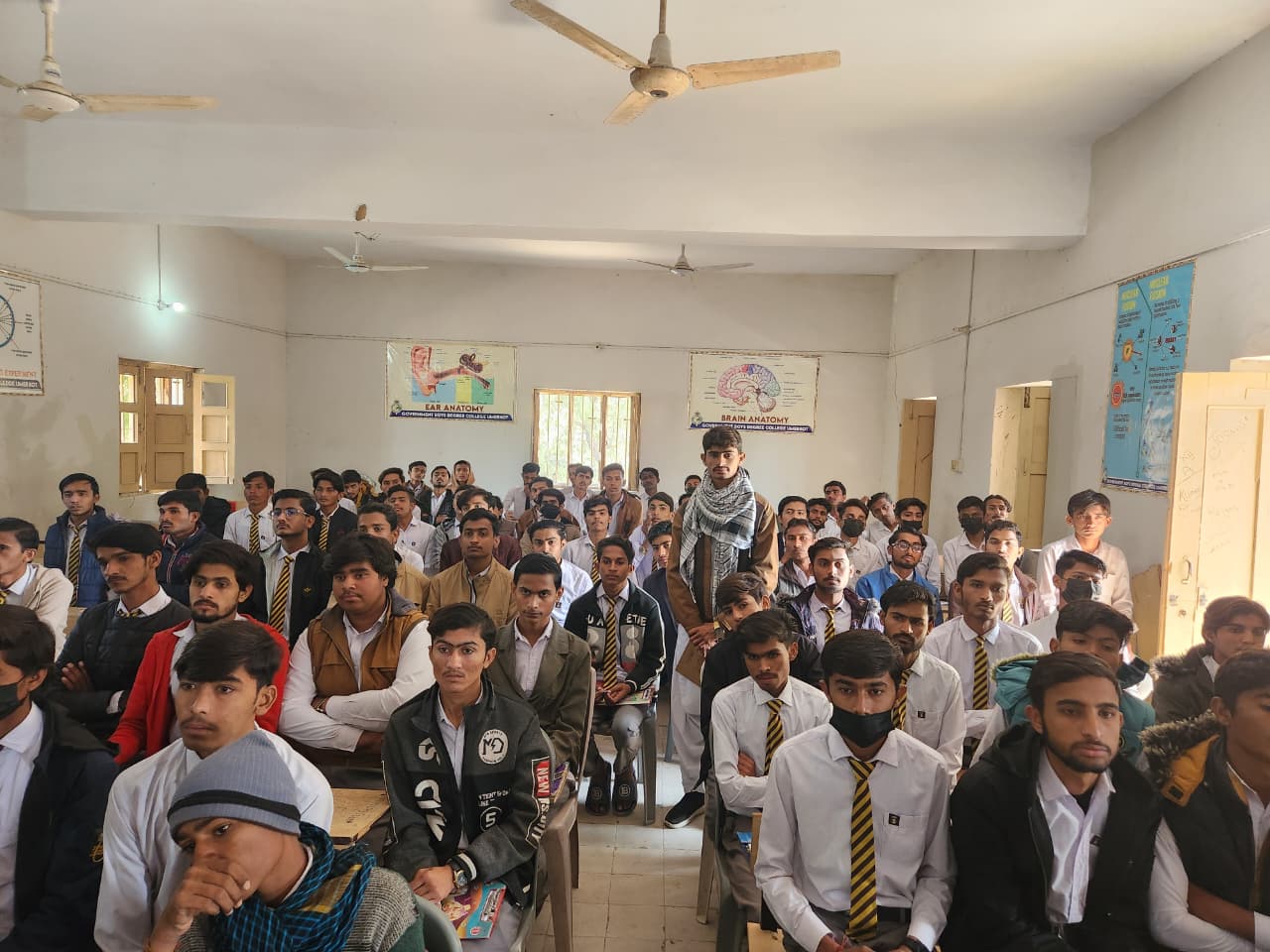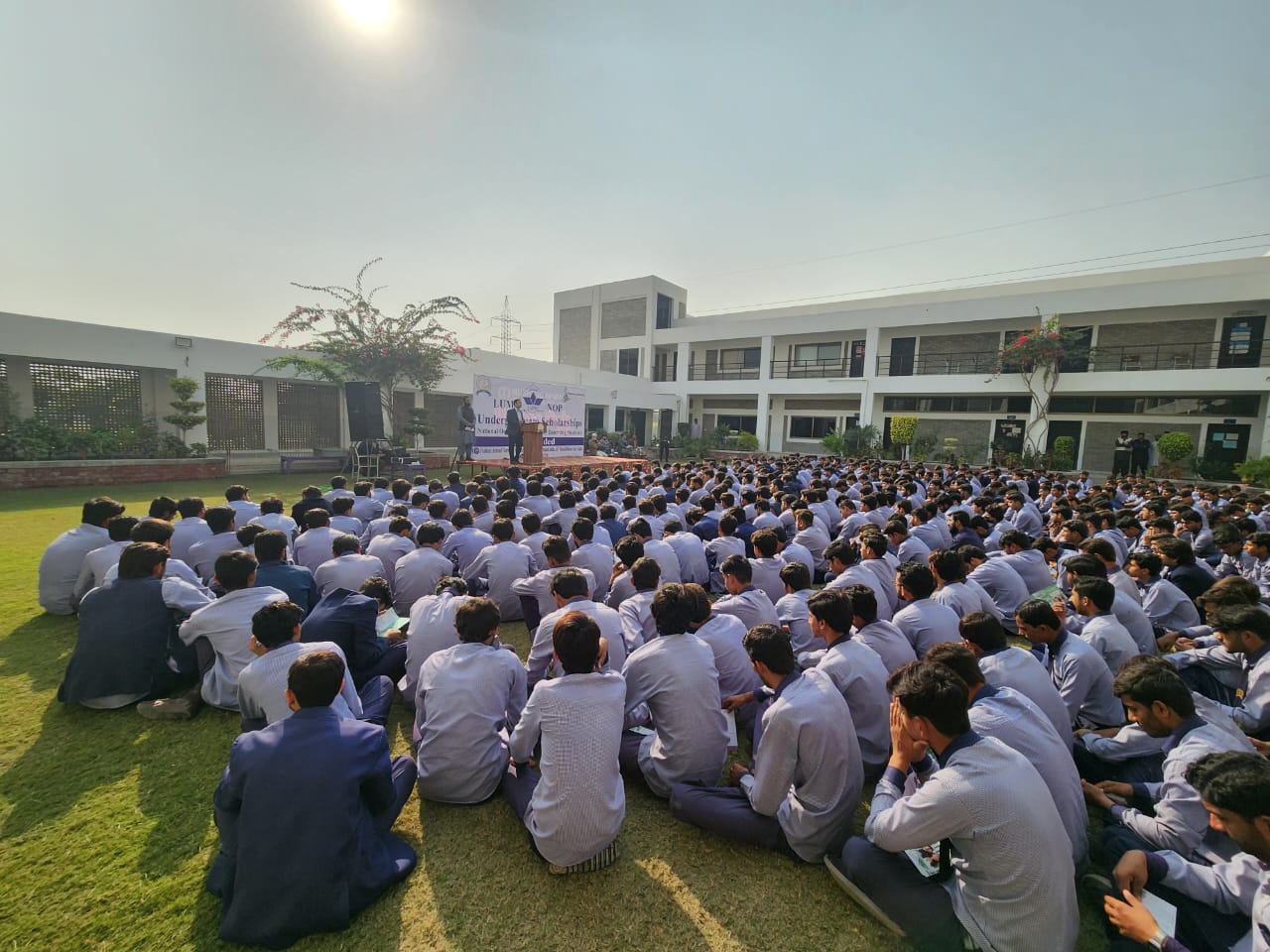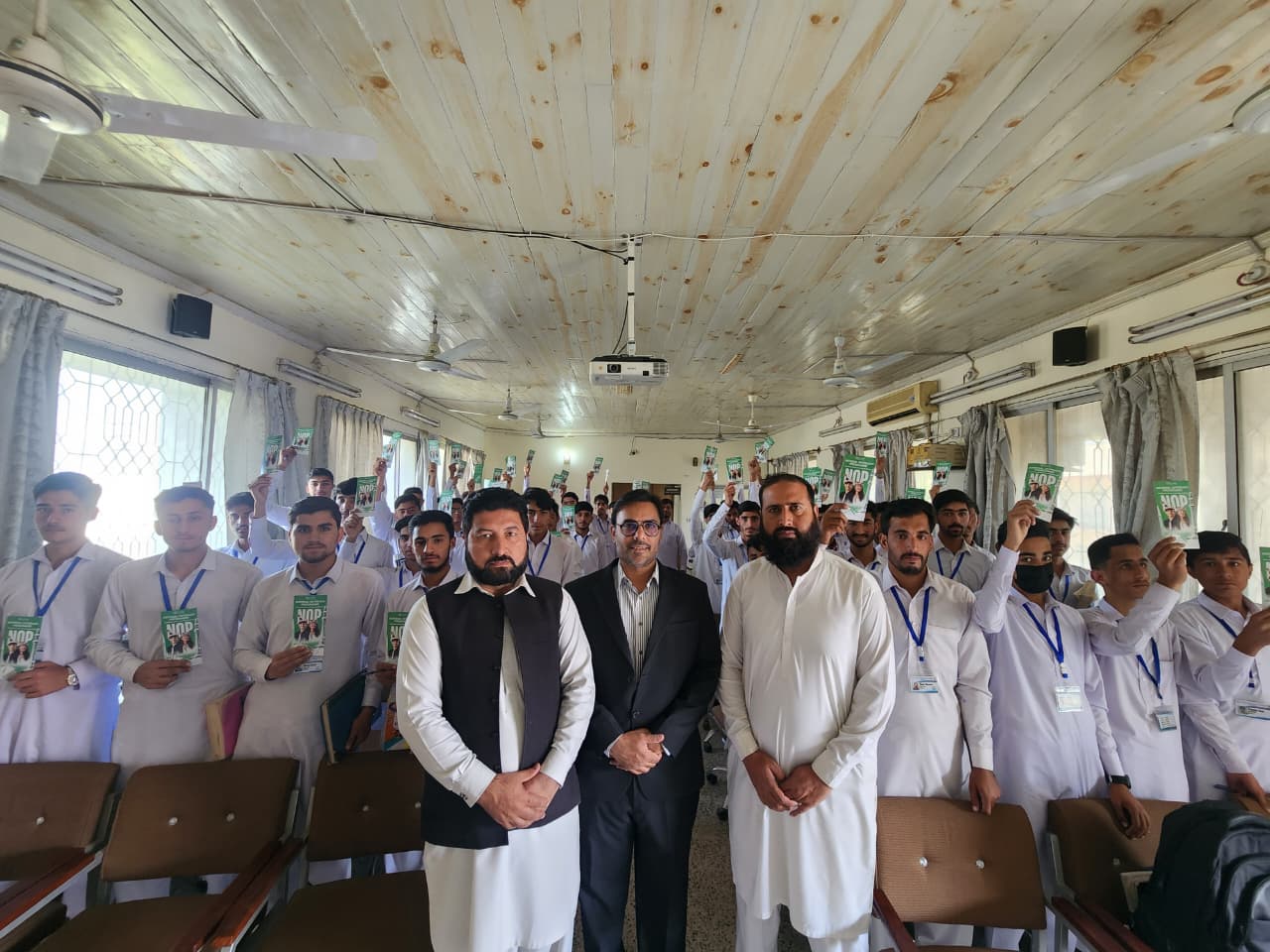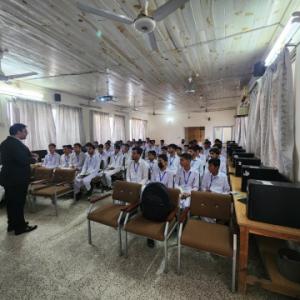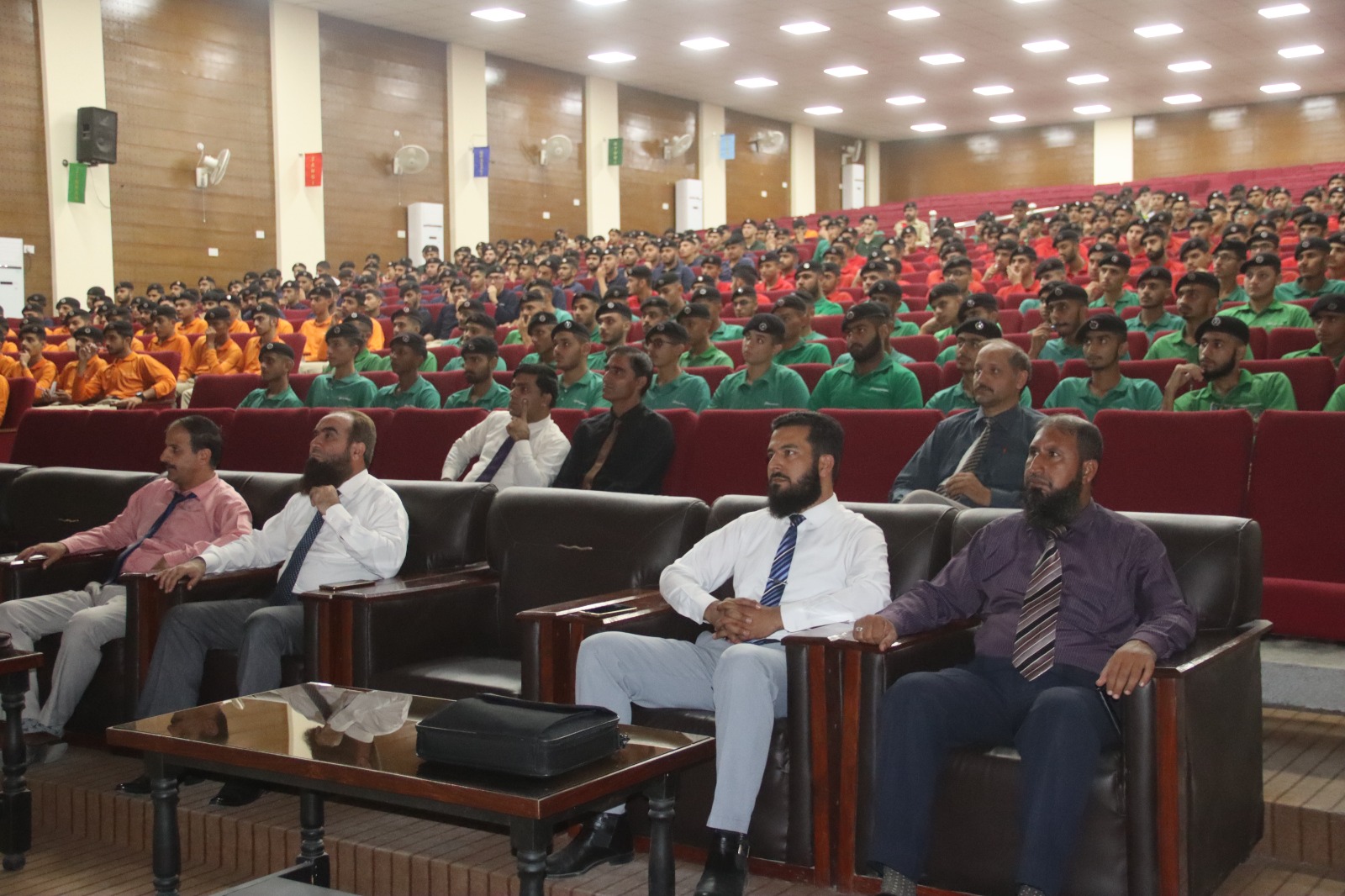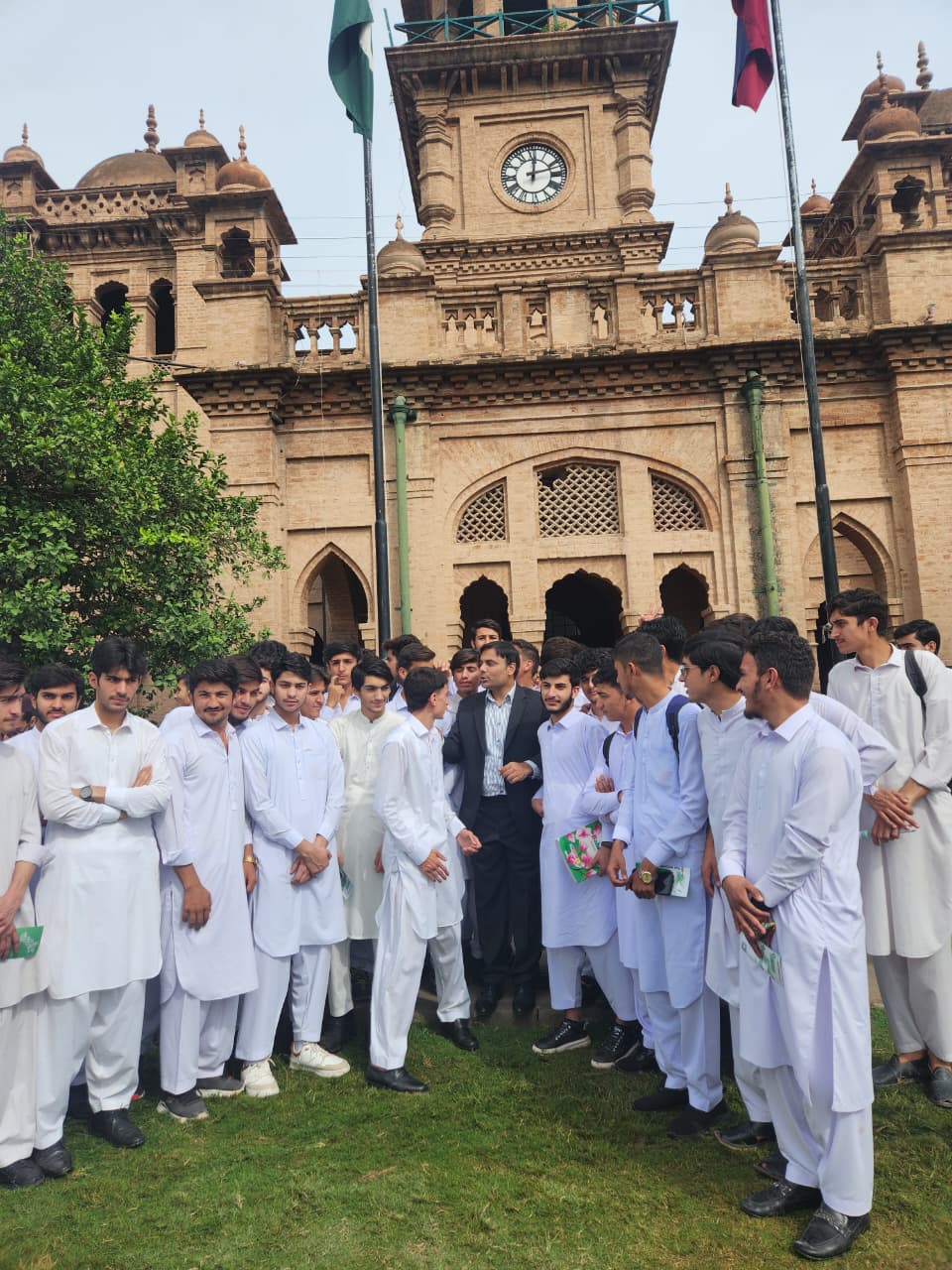


The National Outreach Programme (NOP) carried out a far-reaching engagement drive across Gilgit-Baltistan, holding a cumulative 31 sessions in 15 cities and towns, spanning Gilgit's busiest campuses to its remotest villages. The drive was designed to bridge information gaps and offer first-hand clarity on the NOP pathway, its life-changing financial support and the application process, so that students from a myriad of communities and backgrounds could understand the full scope of what NOP offers.
Redefining Access Across Cities and Communities
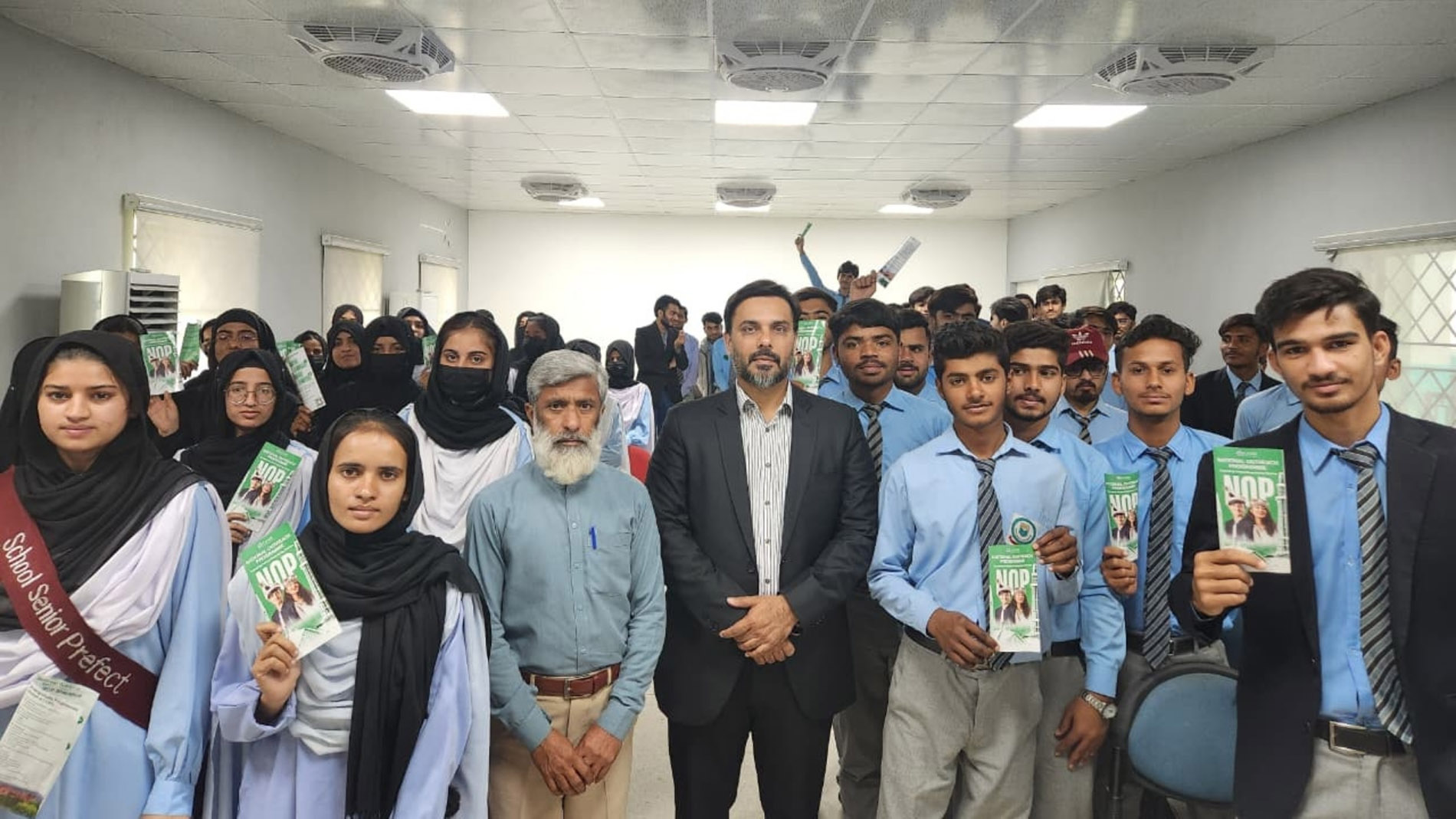
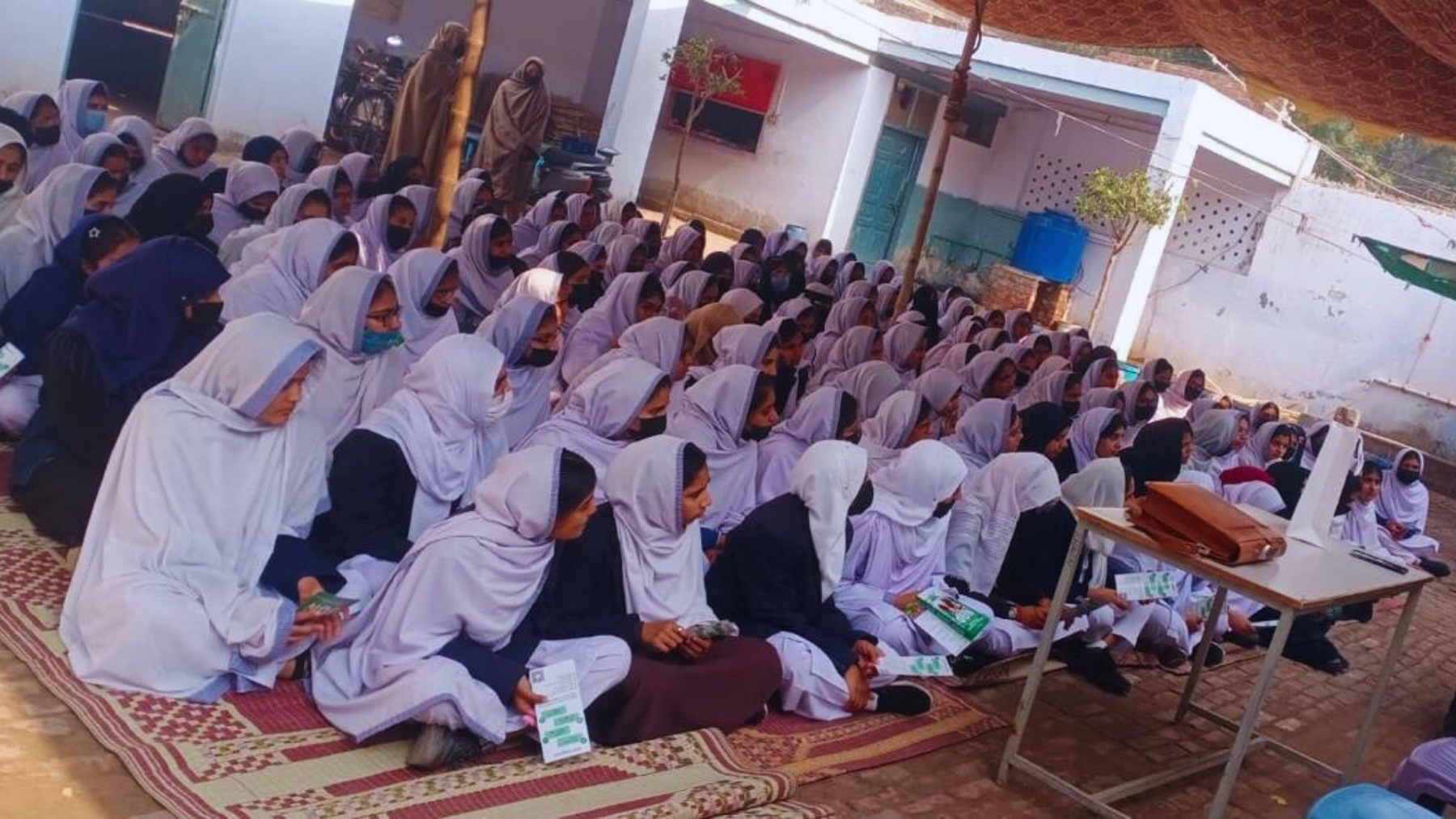
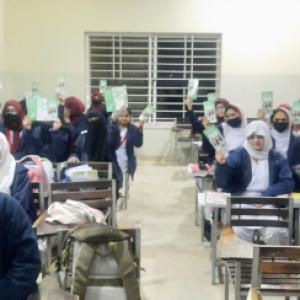
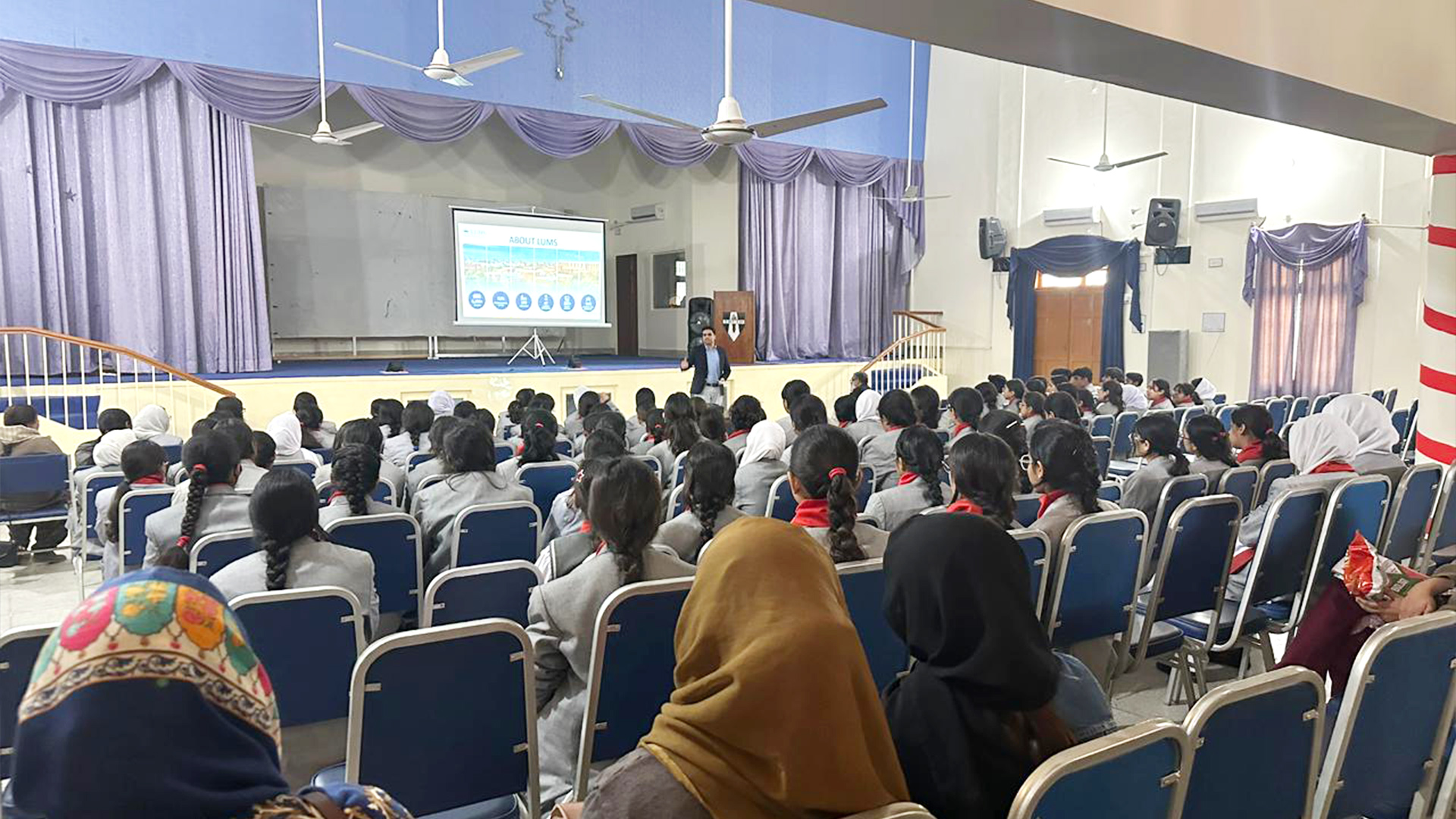
The Gilgit leg, covering ten cities and towns, engaged 1,800+ students. It kicked off in Gilgit and Jutial, where the opening sessions alone reached over 800 students. Agha Khan Higher Secondary hosted separate sessions for boys and girls, with 400+ students attending respectively. At Army Public College Jutial, the girls' session drew 250+ students, the biggest turnout of the Gilgit leg, and the boys' session added 70 more. Elysium Higher Secondary welcomed close to 125 students, and Full Gospel Assemblies Church, the city's largest Church by congregation, opened its doors to 25 young people.
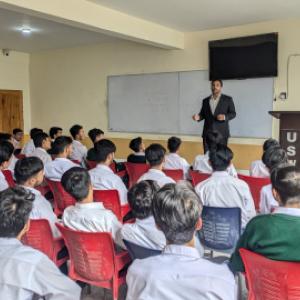
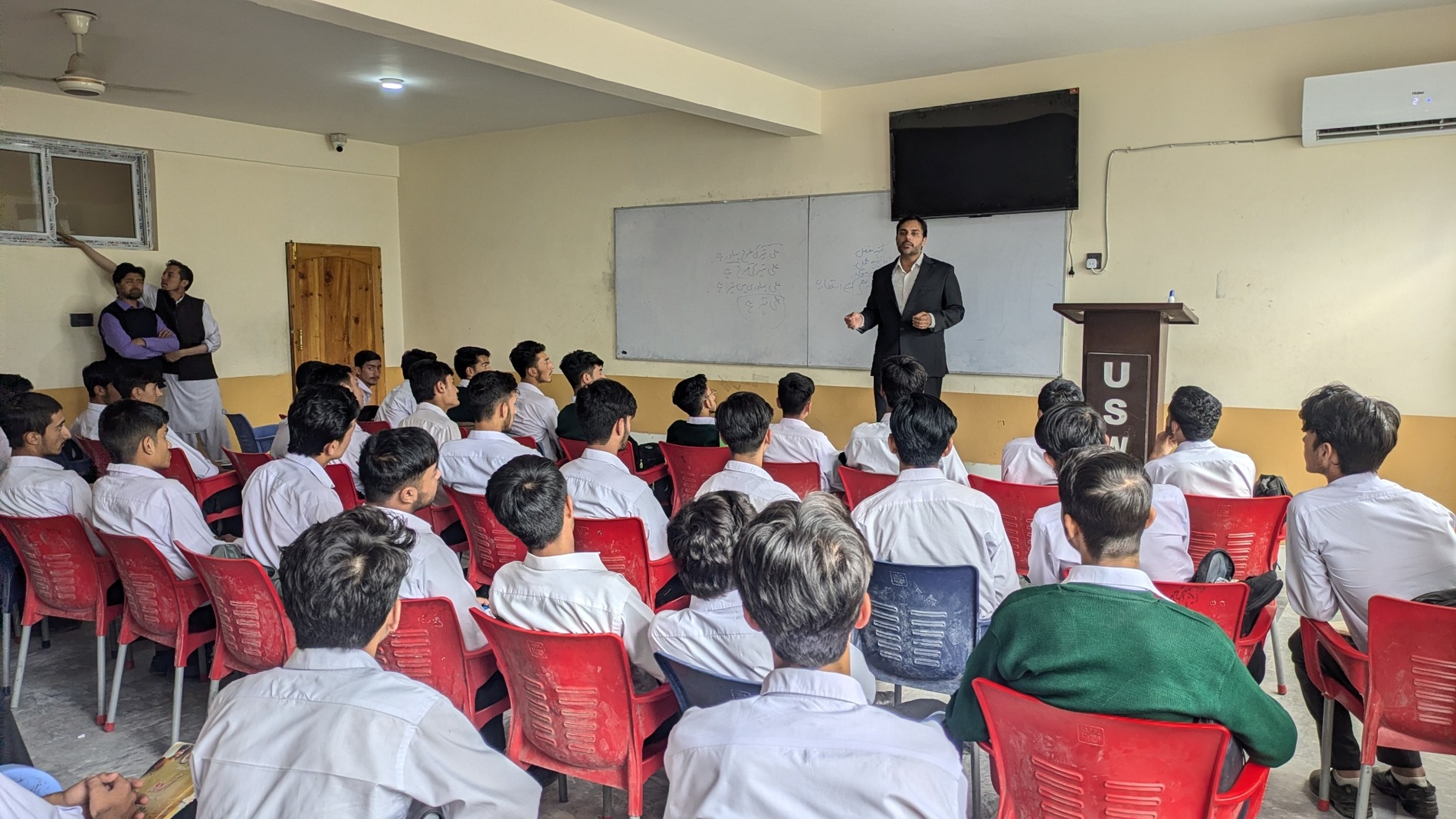
From the city, the team travelled outward to Singul, a village near Gilgit that NOP visited for the first time, and on to Sherqila, Gahkuch, Nasirabad, Murtazabad and Rahimabad. In Hunza, sessions included a co-ed gathering of 100+ students, and in Nagar, the team spent focused time with around a 100 students at Uswa Public School, answering questions and working through their concerns. Given how rarely in-person higher education guidance reaches such isolated areas, students' presence in the sessions was marked by exceptional focus, a fact reflected by the volume of questions asked.
The drive also extended into Baltistan, covering regions like Astore, Shigar, Kharmang, Skardu and Khaplu, where 14 colleges and 1,200+ students were briefed. Skardu was the busiest stop, with 350+ students across three colleges.
Key Highlights
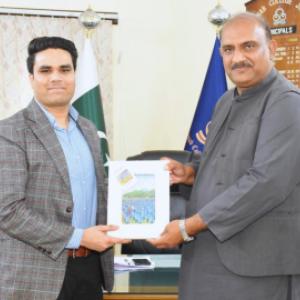
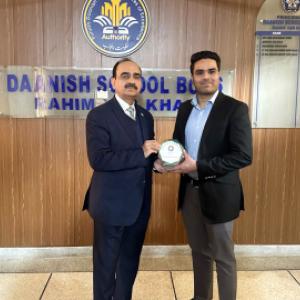
The Minister of Planning and Development of Gilgit-Baltistan assured the team of collaboration with government institutions, and the Deputy Commissioners of Khaplu and Shigar plan to partner with the Directorate of Education, which has circulated NOP materials to all public schools and colleges.
Additionally, teachers and student counsellors were trained on the SCS 2027 application, and a LUMS student in Khaplu shared his story with juniors. Pre-medical students received career counselling on the BS Biology programme at LUMS, which combines sciences and mathematics with fields such as molecular biology and genetics.
Impact
By reaching 3,000+ students across 31 institutions and venues, the drive reaffirmed NOP's mission of enabling equitable access to quality higher education for talented youth from every part of Pakistan. Students left with practical knowledge of admissions and career options, and with real stories showing what merit and determination can achieve, regardless of economic obstacles. Feedback from Aga Khan Higher Secondary School and DJ Model High School in Hunza was equally encouraging, with both rating the usefulness of the information, the presentation and their likelihood of recommending NOP at 5/5. The backing of educators, alumni and government representatives points to a shared commitment to expanding opportunity across Gilgit-Baltistan.