
  • Apply
  • Admissions
  • Financial Aid
  • Donate
  • Campus Health
  • News
  • Events
  • Contact

Lums Logo

learning without borders

portal

  • Explore LUMS

    • About LUMS
    • Office of the Vice Chancellor
    • Office of the Provost
    • Offices at LUMS
    • Rankings and Accreditation
    • News & Events
    • Resources
    • University Advisory Board
    • History
    • Contact Us
  • Admissions

    • Programme Finder
    • Admissions Home
    • Undergraduate Programmes
    • Graduate Programmes
    • Financial Aid and Scholarships
    • National Outreach Programme
    • International Students
    • Why LUMS
    • Apply Now
  • Academics

    • Suleman Dawood School of Business
    • Mushtaq Ahmad Gurmani School of Humanities and Social Sciences
    • Syed Babar Ali School of Science and Engineering
    • Shaikh Ahmad Hassan School of Law
    • Syed Ahsan Ali and Syed Maratib Ali School of Education
    • Executive Education
    • Continuing Education
  • Faculty & Research

    • Faculty Profiles
    • Research and Innovation
    • Centres
  • Alumni

    • Alumni Relations
    • Alumni Benefits
    • VC Alumni Achievement Awards
    • Alumni Annual
  • Donors

    • Giving to LUMS
    • Give a day to LUMS Campaign
    • LUMS Supporters
    • Friends of LUMS USA (FOL-USA)
    • Friends of LUMS UK (FOL-UK)
  1. Home
  2. NEWS
  • en
  • ur
  • مرکزی صفحہ
  • این او پی درخواست کا طریقہ کار

    • اہلیت کا معیار
    • درخواست دینےکا طریقہ کار
    • داخلہ کیلئے اپلائی کرنے کا طریقہ کار
    • این او پی اسکالر شپ پروگرام کے مختلف مراحل
  • حوالہ جات
  • کثرت سے پوچھے گئے سوالات
  • تقریبات اور جھلکیاں
  • اسناد
  • 2,700 Students in the Multan Region Learn About a Fully Funded Path to LUMS

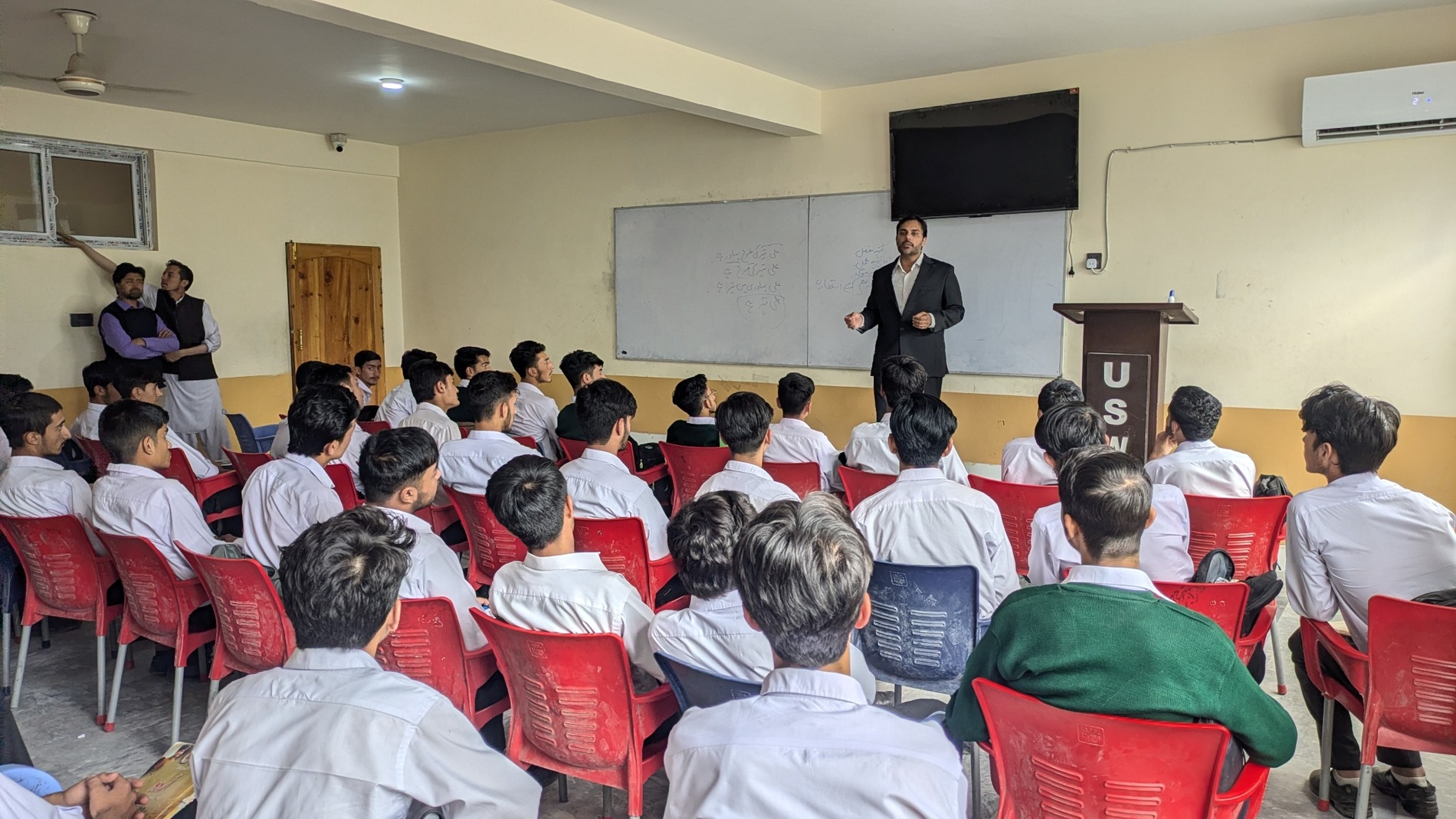
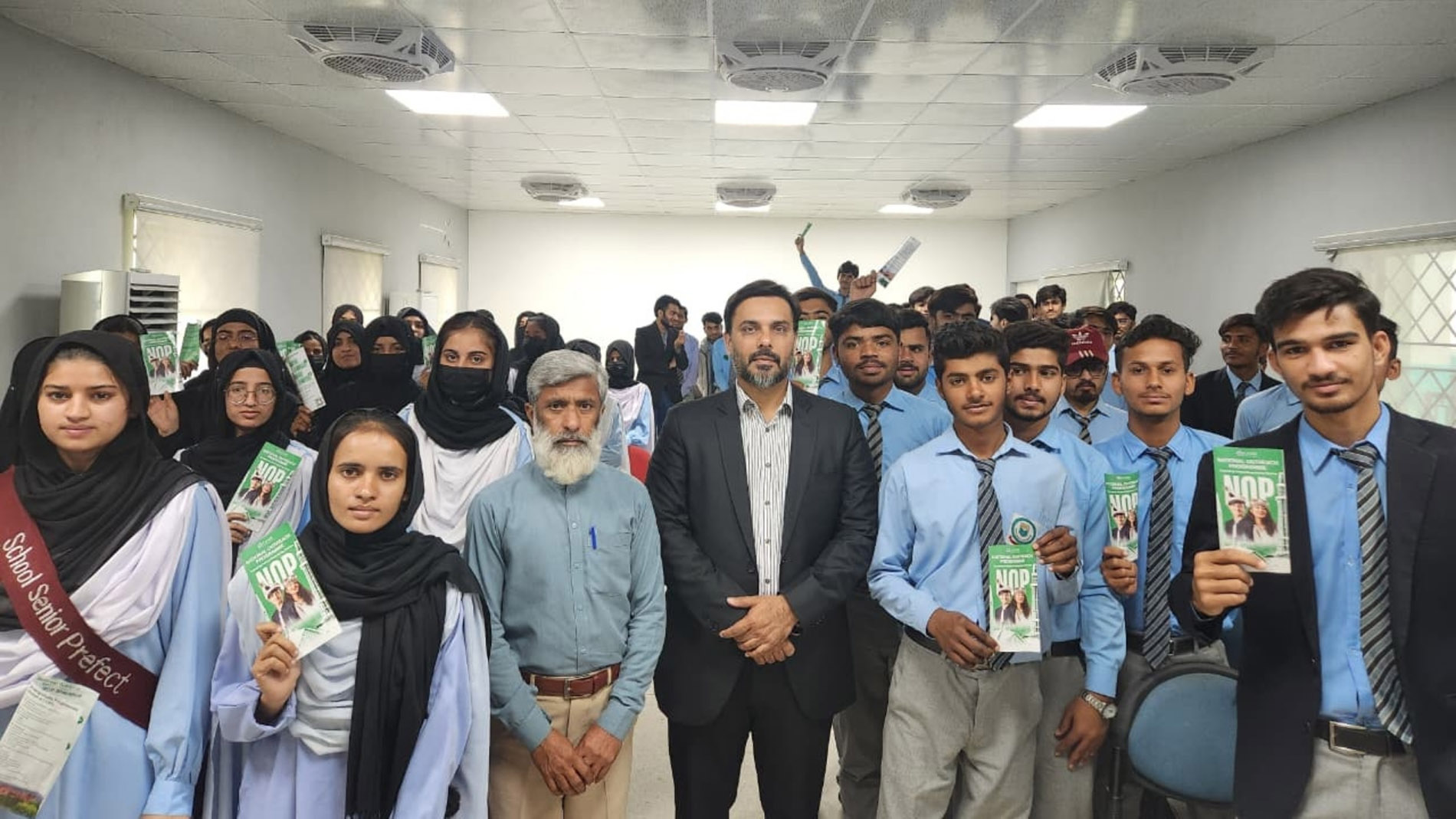
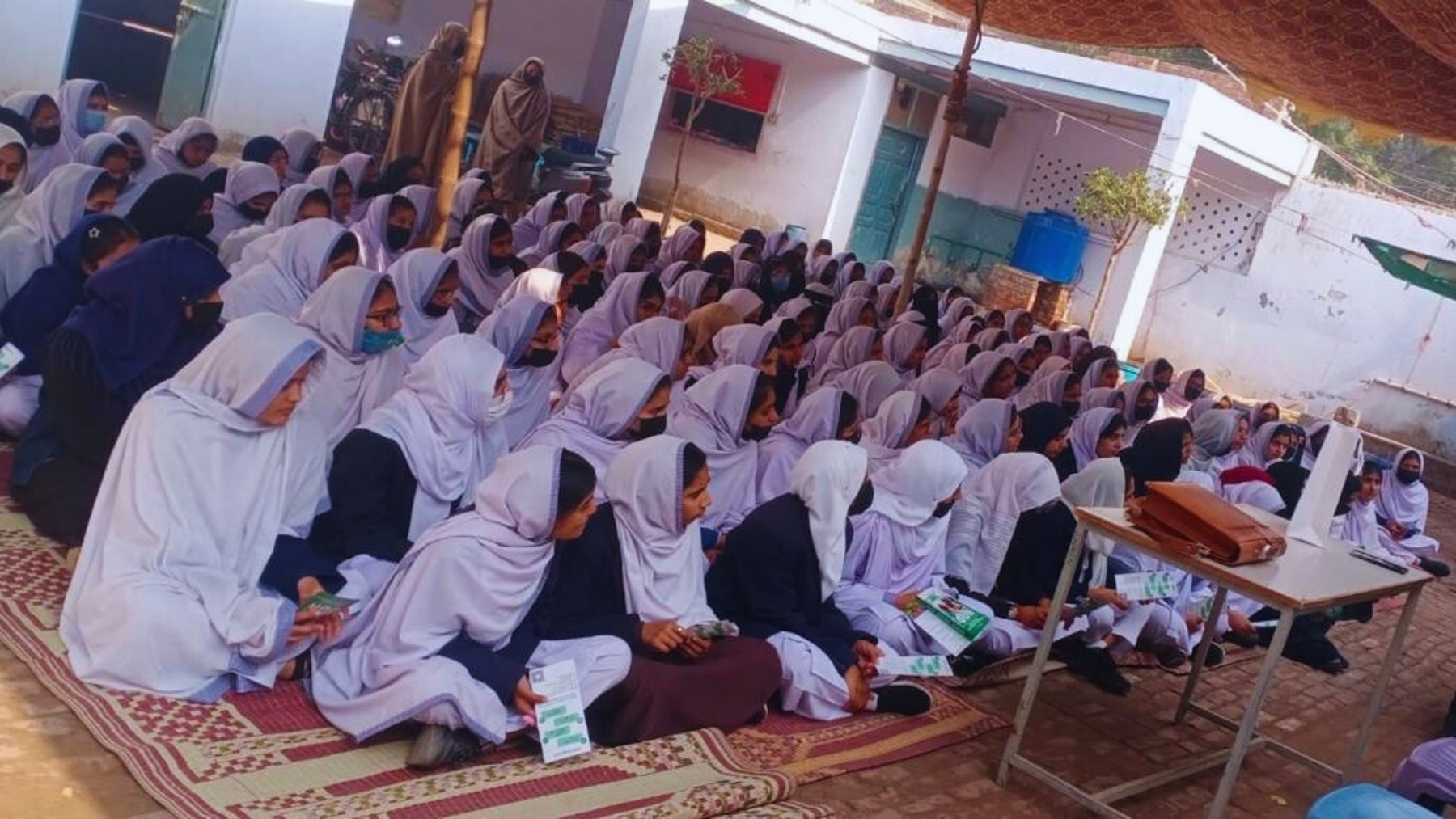
    Between 5 and 9 October 2026, the National Outreach Programme (NOP) team at LUMS met approximately 2,700 students at 18 schools and colleges in Multan, Shujabad, Muzaffargarh, Sanawan, Lodhran, Billiwala and Khanewal. NOP is a fully funded undergraduate scholarship for talented students from underserved areas of Pakistan.


    The tour was built on the understanding that, alongside strong marks, a student’s path to university depends on reliable information about where to apply, what financial support exists and how to complete an application. In smaller towns, this kind of guidance is not always easy to find, and capable students may rule out universities such as LUMS simply because they do not know that a fully funded route is available. By bringing this information directly into schools and colleges, the team aimed to ensure that students across the region could make decisions about their education with the same knowledge available to applicants in larger cities.
    Key Highlights

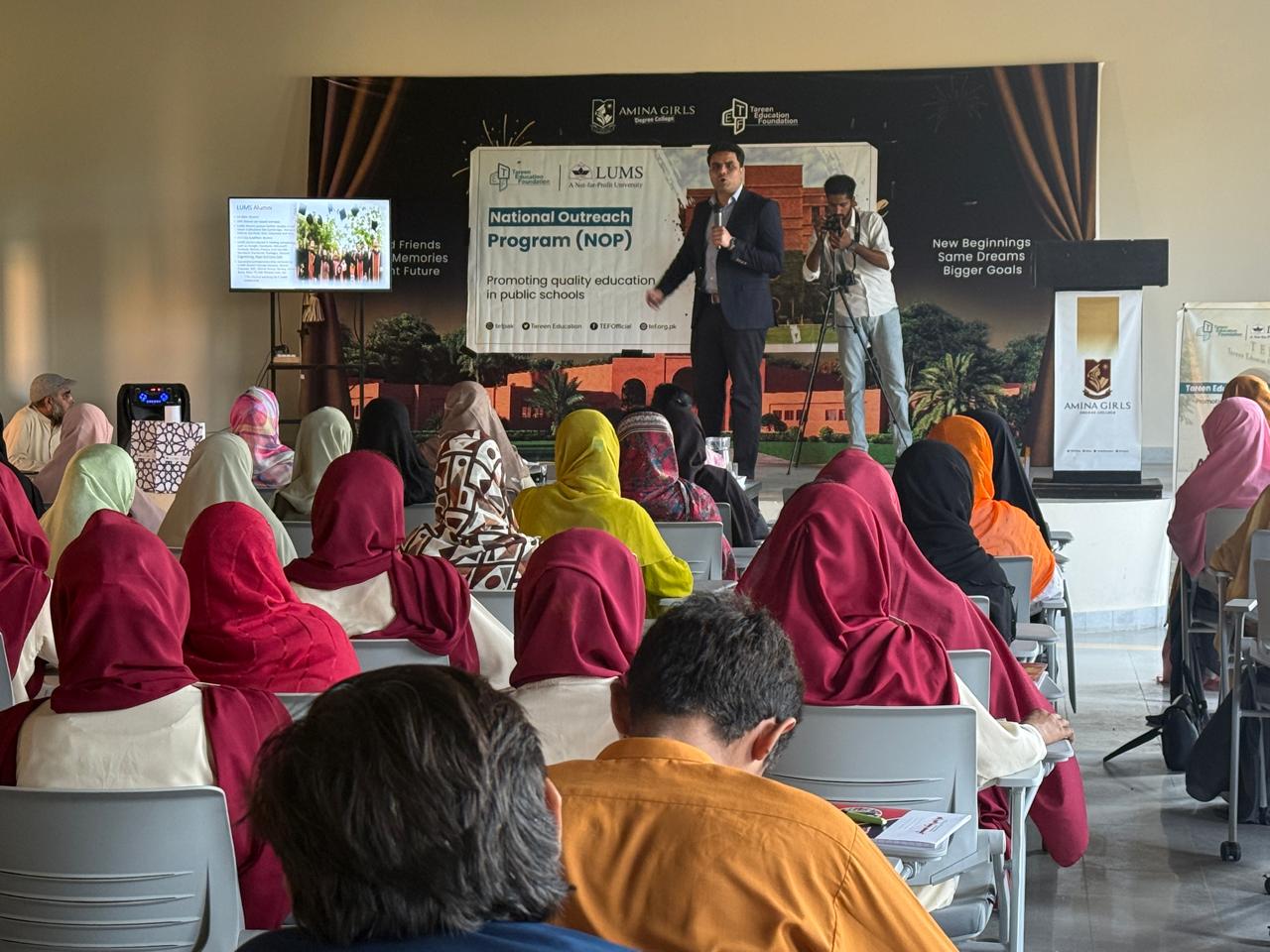
    The tour began in Multan on 5 October, where approximately 380 students attended sessions at the boys’ and girls’ campuses of Muslim Group of Schools and Colleges and at Nishat Group of Colleges. The team also visited LaSalle Higher Secondary School. On 6 October in Shujabad, 320 students took part in sessions at the boys’ and girls’ campuses of Punjab Group of Colleges and Professors College, and at Government Postgraduate College for Girls. On 7 October, the Muzaffargarh-Sanawan area saw the largest turnout of the tour, with approximately 1,465 students attending: around 1,300 at Mushtaq Ahmad Gurmani Science College and another 165 at the boys’ and girls’ Centres of Excellence.


    On 8 October, the team worked across Lodhran, Billiwala and Multan, reaching approximately 420 students at Tareen Education Foundation, the girls’ campus of Muslim Group of Schools and Colleges and Aspire College. The tour concluded in Khanewal on 9 October, where visits to Hawks School and College, Government Civil Lines College, Khanewal Public School and Christ Church School reached at least 100+ students.


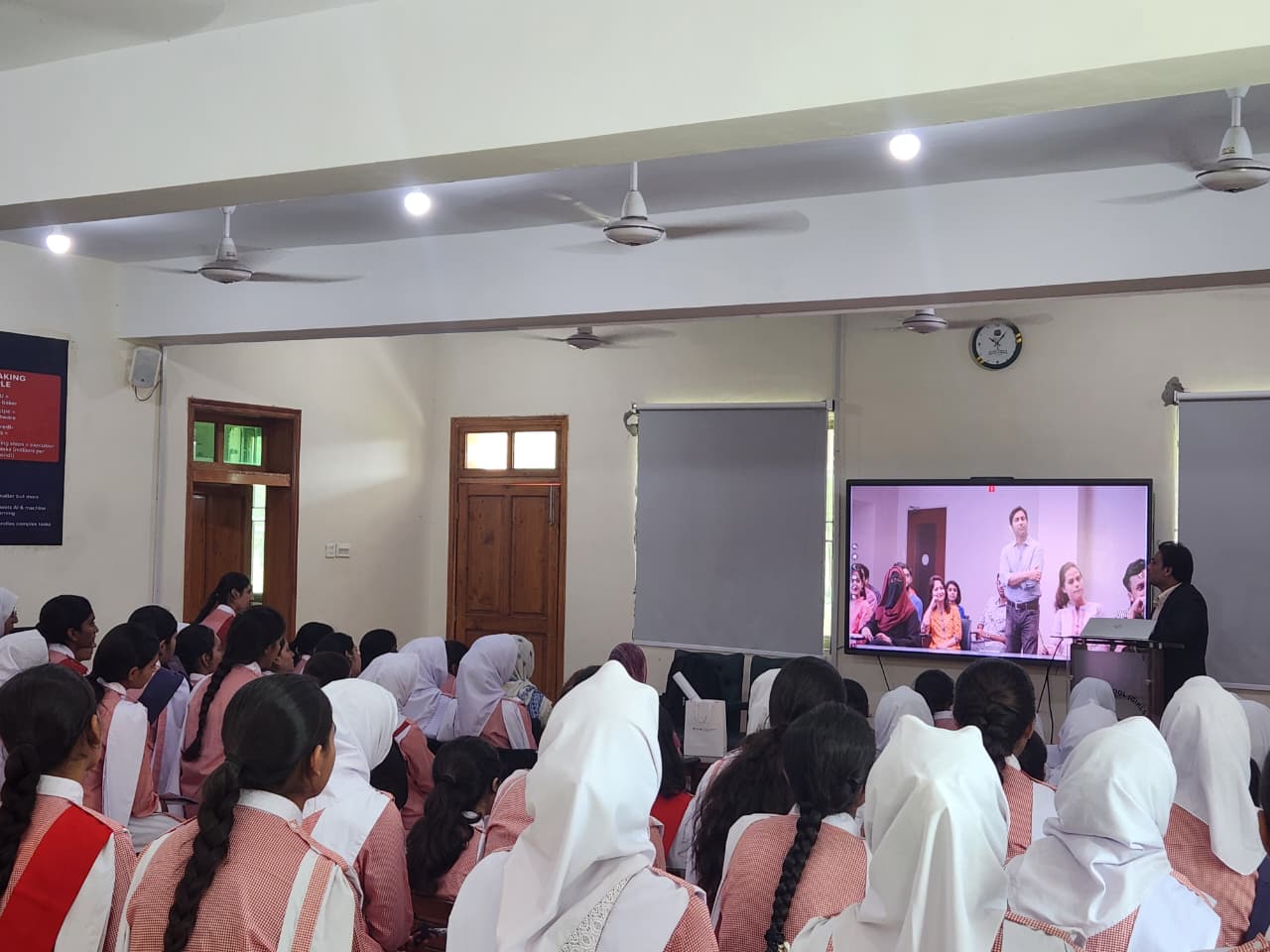
    Using slides, the team guided students through the NOP application form section by section, explaining what each part asks for, which documents need to be attached and how the form should be submitted. The team also worked through practical examples and pointed out common mistakes applicants make, so students could complete the form accurately. Students were told that they are eligible for the programme if they have scored at least 80% in Matric or the equivalent in O Levels, are enrolled in the first year of Intermediate or A Levels, and can demonstrate financial need. The team also explained the NOP Summer Coaching Session (SCS), making clear that taking part does not guarantee admission, since participants must go on to meet LUMS’ undergraduate admission requirements. Students who do not meet the NOP criteria were informed that regular undergraduate admissions and financial aid remain open to them as an alternative route. Apply at https://admission.lums.edu.pk and select the Financial Aid option.


    In addition, the team outlined the undergraduate schools at LUMS and the academic routes open to Pre-Medical and Pre-Engineering students. Students and teachers raised questions about what the scholarship covers, the admission test, eligibility and the SCS, and these discussions helped clear up misconceptions about the cost and academic demands of studying at LUMS.

    Impact

    By reaching approximately 2,700 students across 7 cities and communities, the tour strengthened NOP’s relationships with schools and colleges throughout the Multan region. The session at Mushtaq Ahmad Gurmani Science College, which brought together nearly half of the tour’s participants, showed how far a single committed collaboration with an institution can extend the programme’s reach. The first visit to Billiwala extended NOP’s presence to a community it had not previously reached. By explaining the scholarship’s provisions clearly and guiding students through each step of the application, the outreach sought to help more students in the Multan region see LUMS as a realistic option for their undergraduate education.
     

    jm
  • Daanish Schools Help Carry a Fully Funded Route to LUMS Across South Punjab

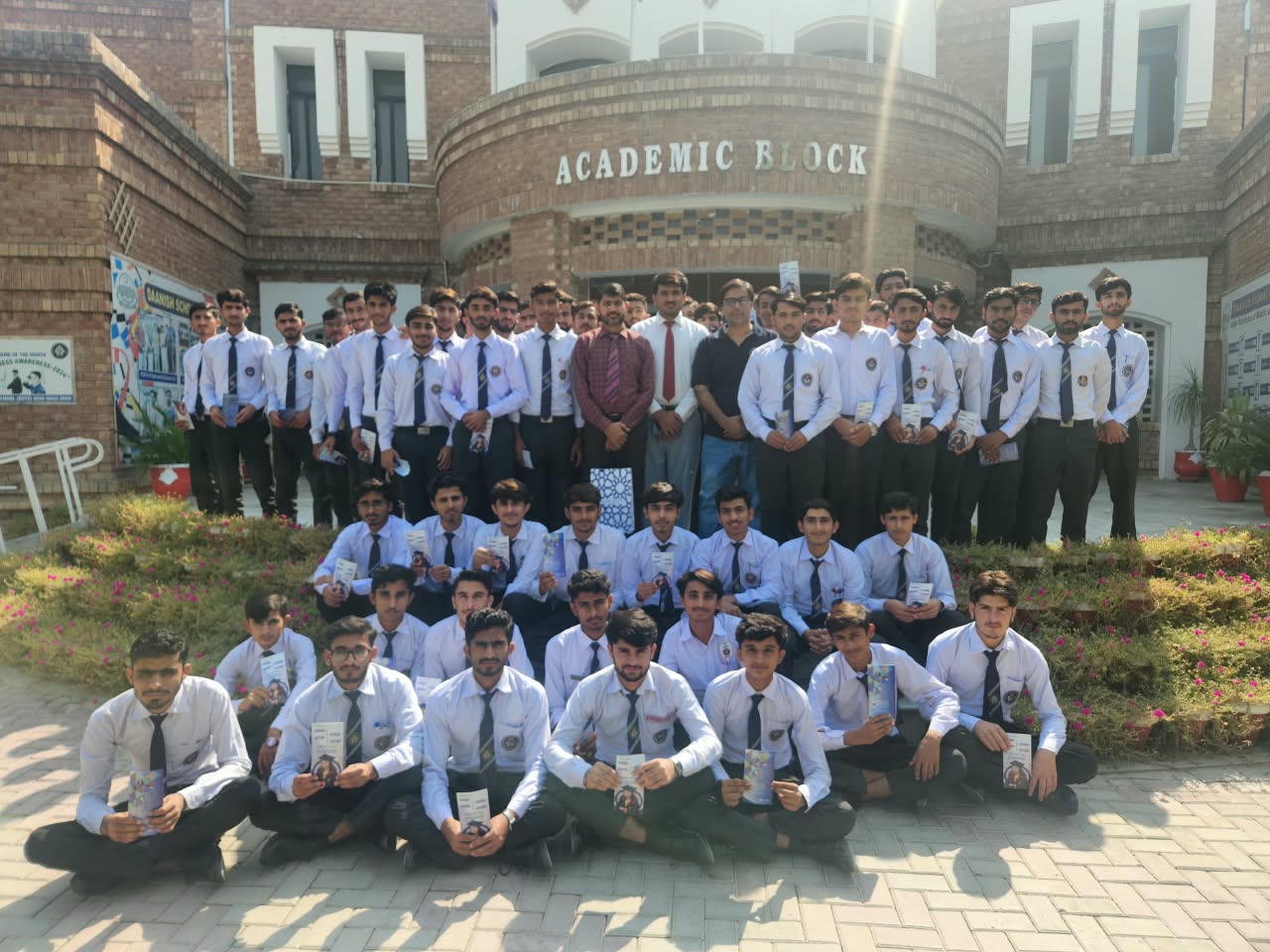
    Students at the Punjab Daanish Schools live on campus during term, but they come from towns and villages across South Punjab. When the National Outreach Programme (NOP) team at LUMS planned its October tour of the region, that made the four Daanish Schools an obvious place to start. From 19 to 22 October 2026, the team visited Dera Ghazi Khan, Rajanpur, Fazilpur, Kot Mithan and Haroonabad, speaking to around 1,300 students at 14 schools and colleges. The message revolved around the benefits offered by NOP, a fully funded undergraduate scholarship for talented students from underserved parts of Pakistan, and it was meant to travel further than the team could.

    Key Highlights

    The Daanish Schools bookended the first half of the tour. On 19 October, the opening day, 250 students from the boys’ and girls’ schools in Dera Ghazi Khan attended. On 21 October in Fazilpur, another 260 joined sessions at the Daanish Schools there. Together, these four schools brought in about 510 students.

    The rest of the route took in colleges and schools of varying sizes. In Dera Ghazi Khan on 19 October, the team also met about 60 students at Government Degree College for Girls. In Rajanpur on 20 October, some 220 students came to sessions at Government Boys Degree College, Government Girls Degree College and Quaid-e-Azam Group of Colleges. The Fazilpur stop on 21 October also included New Age High School, where 90 students attended. On 22 October in Kot Mithan, roughly 270 students heard from the team at Punjab College for Boys, Punjab College for Girls and Government College for Boys. Haroonabad, also visited on 22 October, saw 150 students attend sessions at Government Degree College and Government Girls College.

    Girls’ schools and colleges made up six of the 14 institutions and accounted for close to 490 students. At each, the team was specific about what life in Lahore would cost and who would pay: the scholarship covers tuition, on-campus housing, meals, books and a living allowance.

    Students were also given guidance suited to their stream. Pre-Medical students had their own career counselling sessions on the BS Biology programme at LUMS, while students in other streams learned about the university’s schools of business, humanities and social sciences, science and engineering, and law.

    Because a single visit leaves little time to help with paperwork, the team also trained around ten counsellors on the Summer Coaching Session (SCS) 2027 application. The training set out who qualifies for NOP (students with at least 80% in Matric or equivalent O Level grades, who are in the first year of Intermediate or A Levels and can show financial need) along with the documents and deadlines involved. Counsellors were reminded that the SCS is not a guarantee of admission, as participants still need to meet LUMS’ undergraduate requirements, and that students who fall outside the NOP criteria can apply through regular admissions with financial aid.

    Impact

    Nearly two in five of the students reached were at Daanish Schools, so what they learned is likely to go home with them to towns and villages beyond the tour’s five stops. Strong turnout at girls’ institutions, and a group of counsellors who can now guide students through the SCS 2027 application on their own, mean NOP’s presence in South Punjab no longer rests on one visit.
     

    hj
  • Opening Doors to Higher Education: NOP Reaches 1,500+ Students from Chishtian to Fort Abbas

    Between 5 and 9 October 2026, the National Outreach Programme (NOP) team visited six cities, Chishtian, Hasilpur, Vehari, Tiba Sultan Pur, Bahawalnagar and Fort Abbas, to make information about fully funded undergraduate education at LUMS easier to reach. Across 16 schools and colleges, more than 1,500 students learned what the NOP Scholarship provides, who qualifies for it and how an applicant progresses from the first submission to admission. The sessions were interactive discussions in which students and teachers could question, clarify and deliberate over the choices before them.

    Key Highlights

    The tour began in Chishtian on 5 October, with around 300 students across Daanish School and Government College for Boys. On 6 October, the team visited Hasilpur, where about 270 students across three institutions attended. Vehari drew about 310 students on 7 October, among them students of Punjab College and Government Postgraduate College for Women. The team spent 8 October in two cities. In Tiba Sultan Pur, around 160 students attended sessions at two schools, and in Bahawalnagar, about 310 students attended across three institutions. KIPS Girls hosted the largest single session of the tour, with around 150 students. The final day, 9 October, was spent in Fort Abbas, where around 230 students attended at Government Boys Degree College and Government Girls College.


    A central aim of every session was to open access to higher education for students in underserved and remote communities, who may have limited access to career counselling and to information about fully funded study at LUMS. Access, in this sense, means more than a seat at a university. It is the ability to learn that an opportunity exists, to understand its conditions and to act on that knowledge in time. The team stated clearly that eligible students from any region of Pakistan may apply, regardless of geography or socioeconomic background, and that selection rests on the programme’s stated eligibility criteria and academic merit.


    Students were told exactly who qualifies. Those in the first year of Intermediate or A Levels who scored at least 80% in Matric, or the equivalent in O Levels, and who can demonstrate financial need are eligible for the NOP Summer Coaching Session. The team was equally clear that completing the coaching does not guarantee admission, since every applicant must still meet the admission requirements of LUMS. Students who do not qualify for NOP at the first stage were reminded that regular admissions and financial aid remain open to them.


    The sessions also addressed the practical constraints that keep capable students from applying. The team explained that the fully funded scholarship covers tuition, accommodation, book and living allowances, and other eligible expenses, which corrected common assumptions about the cost of university. Students and parents were guided through the documents needed to verify a family’s finances, including income affidavits for families whose earnings are informal, and through attestation, online submission and deadlines, so that fewer applications are returned incomplete.


    To give students a fuller picture of what university can offer, the team introduced the undergraduate schools at LUMS, which span business, humanities and social sciences, science and engineering, and law, along with several of the university’s research initiatives. Accounts from NOP scholars and graduates who overcame financial and geographical barriers gave students concrete examples of what is possible. Students and teachers also raised questions about the admission test, financial aid and the Summer Coaching Session, and each was discussed in detail.

    Impact

    Barriers to higher education are often informational as well as financial. Over five days, more than 1,500 students across six cities received clear, accurate guidance on eligibility, documentation and deadlines, which turned a scholarship many had not known about into a realistic option. Education reaches well beyond the classroom, into families and communities and the decisions they make together about the future. By giving students, parents and teachers the same clear information, the sessions allowed those decisions to be made deliberately and with full knowledge of the options. Sustained outreach of this kind contributes to a more equitable system of access, in which a student’s place of residence does not determine whether they can learn about, and compete for, a place at a leading university.


    ad
  • Taking NOP to Bahawalpur: Building Pathways Across Southern Punjab

    From 5 to 9 October 2026, the National Outreach Programme (NOP) team journeyed through southern Punjab, conducting informational sessions with students, teachers and counsellors in Bahawalpur, Ahmedpur East, Rahim Yar Khan, Uch Sharif and Yazman. Over five days, the team visited 18 schools and colleges and engaged with more than 1,400 young people. Beyond sharing information about LUMS and financial aid, the trip was rooted in community building, with honest conversations about the NOP Scholarship that made higher education feel attainable.


    Rather than treating these visits as quick admissions presentations, the team focused on earning trust and planting roots in local school communities. The goal was to make sure every student left the room feeling supported, guided and equipped with a clear network of support to rely on as they plan their futures.

    Key Highlights


    The outreach began in Bahawalpur on 5 October, where sessions across five institutions reached over 620 students. The largest gathering was at Dominican Convent, where around 250 students attended the seminar. On 6 October, the team travelled to Ahmedpur East, where more than 240 students across four schools and colleges sat in on the sessions. The stop in Rahim Yar Khan on 7 October reached over 165 students, including those at both the boys’ and girls’ campuses of Daanish School. On 8 October, the team reached Uch Sharif, where over 240 students enthusiastically joined the discussion and Government Makhdoom Shams Ud Din College hosted the largest group. The tour wrapped up in Yazman on 9 October, where more than 155 students joined sessions at Government College and Scholar Education System Girls Higher Secondary School & College.


    Marking NOP’s first in-person visits to Uch Sharif, Yazman and Ahmedpur East, this journey into South Punjab broke new ground for the Programme. Across every classroom and auditorium, students drove the dialogue with real, practical questions about eligibility, university life, financial aid and the application process.


    For many, this was their very first introduction to LUMS. The team made sure to look past forms and deadlines, speaking directly to the full NOP journey, from the transformational Summer Coaching Session (SCS) to long-term mentorship and academic support.
    To ensure the visit leaves a lasting impact, the team spent equal time empowering local educators. Teachers and student counsellors received hands-on walkthroughs of the SCS 2027 application process, giving them the confidence and tools to keep guiding their students locally. Students also watched personal Alumni Stories, seeing firsthand how scholars from similar backgrounds walked these exact pathways to success.


    The visits also opened up fresh perspectives on future careers. Pre-medical students, in particular, explored how the BS Biology programme at LUMS can open doors beyond traditional medicine, introducing them to expanding research-intensive fields like molecular biology, genetics and computational biology.

    Impact

    Connecting with over 1,400 students across 18 institutions in just five days was a major milestone, but the true impact is best seen in how warmly the sessions were received. By listening to student curiosity and working closely with local educators, the NOP team was able to forge strong bonds with school communities across southern Punjab. Each such connection supports the larger movement for education reform in Pakistan, where access to higher education should depend on talent and effort rather than on income or geography. 
     

    hj
  • From Campus to Community: NOP Reaches 1,000+ Students Across Karachi

    The National Outreach Programme (NOP) spent a productive stretch in Karachi meeting students, school leaders, and partner organisations, with the goal of ensuring that deserving students across the city are fully informed about the NOP Scholarship, understand the application criteria, and feel confident enough to apply. The team held structured awareness sessions in colleges and schools, met with key education-focused organisations, and participated in the AKHSS EduConnect 2026, an educational expo organised by Aga Khan Higher Secondary School, Karachi.

    Taking the Conversation to Students


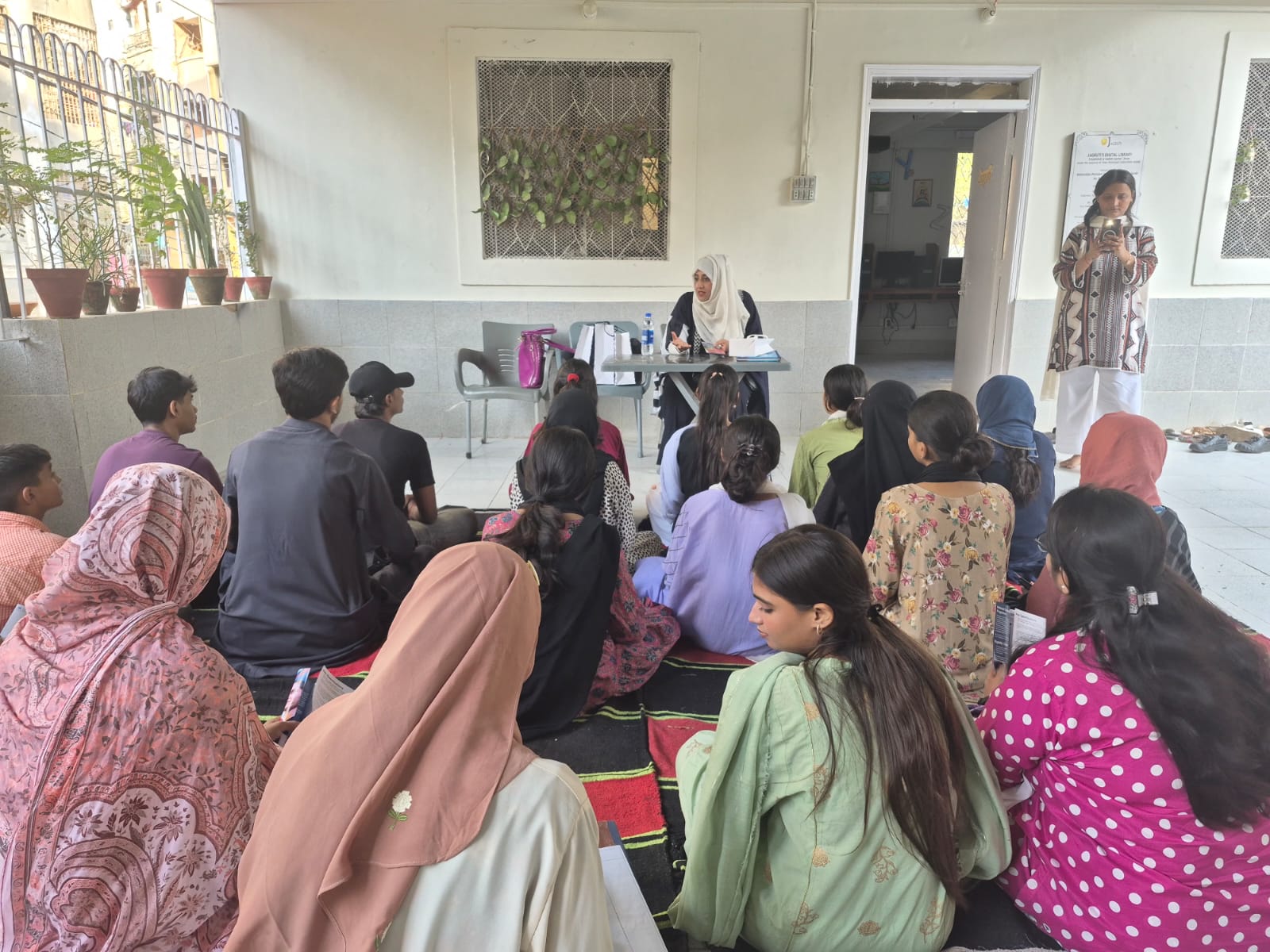
    The outreach in Karachi began with institutional meetings designed to build lasting channels for identifying deserving candidates. At the Jafaria Disaster Mangement Welfare Organization, the team presented the scholarship framework and discussed how students within its network could be supported. At Zindagi Trust, a non-profit organisation working on education reform and access, the conversation revolved around student profiles, eligibility criteria, and the academic opportunities NOP provides, laying strong groundwork for future collaboration with the development sector.


    In a similar vein, student sessions followed across the city in diverse learning environments. At Federal Government (FG) College Boys, more than 90 first-year and Karachi Board students were walked through the programme details and encouraged to apply. NJV School/College hosted around 150 students, while Al Murtaza Higher Secondary School welcomed 70, all receiving thorough briefings on eligibility requirements and the application process.


    The largest turnout took place at The Citizens Foundation (TCF) Head Office, where two separate sessions for first-year and second-year students reached more than 500 participants. At Pakistan Hindu Seva Welfare Trust, the team met a smaller group of around 20 students, where the intimate setting allowed for more personalised conversations and questions. The team also visited a new school for the first time, further expanding the programme's reach into a new academic environment.
    Ranging from large institutional halls to close-knit community groups, these gatherings enabled the team to engage students from a wide range of educational and community backgrounds across Karachi.


    NOP also participated in the AKHSS EduConnect 2026, which brought together around 40 universities and was expected to attract approximately 7,000 students from Aga Khan Higher Secondary School, other institutions, and Aga Khan schools across Sindh, along with parents. At the NOP information stall, visitors were able to speak directly with the team, ask questions, and learn more about the scholarship and application process. A dedicated awareness session held during the expo engaged an additional 110+ students.

    Key Highlights

    Institutional meetings with organisations including the Jafaria Disaster Management Cell (JDC) Welfare Organization and Zindagi Trust established channels for identifying and referring eligible students. The Citizens Foundation's two sessions accounted for more than half of the 1,000+ students directly reached through the outreach campaign. Sessions ranged from a group of around 20 students at Pakistan Hindu Seva Welfare Trust to large college audiences, allowing students to engage with NOP across different settings. Participation in the AKHSS EduConnect also gave the programme visibility among an audience of approximately 7,000 students, alongside parents and representatives from participating universities.

    Impact

    By directly engaging more than 1,000 students across colleges, schools, and community organisations, while also participating in the large-scale AKHSS EduConnect Expo 2026, the Karachi outreach expanded awareness of the NOP Scholarship across a broad range of student communities. Meeting partner organisations face to face and answering students' questions directly helped establish stronger channels through which eligible students can learn about the opportunity and receive guidance on applying. These connections provide valuable pathways for reaching students who may otherwise remain unaware of NOP as the next application cycle approaches.


    NOs
  • From the Karakoram to the Classroom: NOP Reaches 3000+ Students in Gilgit-Baltistan

    The National Outreach Programme (NOP) carried out a far-reaching engagement drive across Gilgit-Baltistan, holding a cumulative 31 sessions in 15 cities and towns, spanning Gilgit's busiest campuses to its remotest villages. The drive was designed to bridge information gaps and offer first-hand clarity on the NOP pathway, its life-changing financial support and the application process, so that students from a myriad of communities and backgrounds could understand the full scope of what NOP offers. 

    Redefining Access Across Cities and Communities

    The Gilgit leg, covering ten cities and towns, engaged 1,800+ students. It kicked off in Gilgit and Jutial, where the opening sessions alone reached over 800 students. Agha Khan Higher Secondary hosted separate sessions for boys and girls, with 400+ students attending respectively. At Army Public College Jutial, the girls' session drew 250+ students, the biggest turnout of the Gilgit leg, and the boys' session added 70 more. Elysium Higher Secondary welcomed close to 125 students, and Full Gospel Assemblies Church, the city's largest Church by congregation, opened its doors to 25 young people.
     

    From the city, the team travelled outward to Singul, a village near Gilgit that NOP visited for the first time, and on to Sherqila, Gahkuch, Nasirabad, Murtazabad and Rahimabad. In Hunza, sessions included a co-ed gathering of 100+ students, and in Nagar, the team spent focused time with around a 100 students at Uswa Public School, answering questions and working through their concerns. Given how rarely in-person higher education guidance reaches such isolated areas, students' presence in the sessions was marked by exceptional focus, a fact reflected by the volume of questions asked. 


    The drive also extended into Baltistan, covering regions like Astore, Shigar, Kharmang, Skardu and Khaplu, where 14 colleges and 1,200+ students were briefed. Skardu was the busiest stop, with 350+ students across three colleges.

    Key Highlights

    The Minister of Planning and Development of Gilgit-Baltistan assured the team of collaboration with government institutions, and the Deputy Commissioners of Khaplu and Shigar plan to partner with the Directorate of Education, which has circulated NOP materials to all public schools and colleges.

    Additionally, teachers and student counsellors were trained on the SCS 2027 application, and a LUMS student in Khaplu shared his story with juniors. Pre-medical students received career counselling on the BS Biology programme at LUMS, which combines sciences and mathematics with fields such as molecular biology and genetics.

    Impact

    By reaching 3,000+ students across 31 institutions and venues, the drive reaffirmed NOP's mission of enabling equitable access to quality higher education for talented youth from every part of Pakistan. Students left with practical knowledge of admissions and career options, and with real stories showing what merit and determination can achieve, regardless of economic obstacles. Feedback from Aga Khan Higher Secondary School and DJ Model High School in Hunza was equally encouraging, with both rating the usefulness of the information, the presentation and their likelihood of recommending NOP at 5/5. The backing of educators, alumni and government representatives points to a shared commitment to expanding opportunity across Gilgit-Baltistan.


    NOP
  • Northern Sindh Engagement Drive 2026

    Access to information often determines access to opportunity. With this principle in focus, the National Outreach Programme carried out an extensive engagement drive across Northern Sindh, covering Sukkur, Mirpur Mathelo, Daharki, Ghotki, Pano Aqil, and Khairpur. The initiative brought together over 1,600 students from 15 institutions, many of whom had limited prior exposure to structured guidance regarding fully funded higher education pathways.

    Rather than presenting LUMS simply as a university, the sessions positioned it as an academic ecosystem built on inquiry, interdisciplinary learning, and research-driven thinking. Students were introduced to undergraduate pathways across business, law, humanities and social sciences, and science and engineering, with conversations tailored to local academic trends and subject streams.


    NOP


    A significant portion of the dialogue focused on research culture. By sharing concrete examples from the Syed Babar Ali School of Science and Engineering, students were able to see how undergraduate study can intersect with fields such as biotechnology, data science, environmental systems, and public health. These examples reframed higher education not as passive learning, but as participation in discovery and innovation.

    In several cities, particularly Ghotki and Daharki, the sessions revealed a noticeable gap in awareness regarding national scholarship structures. Students asked detailed questions about financial documentation, merit evaluation, and preparation strategies. In Sukkur and Khairpur, science-track students expressed strong interest in laboratory exposure, computing disciplines, and emerging technology fields.

    Beyond student assemblies, discussions with institutional representatives helped ensure that informational materials and scholarship details would continue circulating even after the team’s departure.

    The Northern Sindh visit reinforced NOP’s long-term objective: ensuring that academic ambition is not limited by geography. By combining institutional insight with practical guidance, the programme continues to convert possibility into pathway for students across the region.

    NOP
  • Central–Northeast Punjab Outreach

    The National Outreach Programme advanced its regional engagement through a focused academic outreach across Faisalabad, Chiniot, Jhang, Toba Tek Singh, and Nankana Sahib. The initiative concentrated on identifying academically strong students within public-sector institutions and equipping them with structured guidance regarding competitive university pathways.

    A deliberate strategy shaped this visit: prioritizing Government Colleges and engaging students who have secured 80% and above in their examinations. By targeting high-performing students within the public education system, the programme reinforces its mission of ensuring that merit, not financial capacity, defines access to opportunity.


    NOP


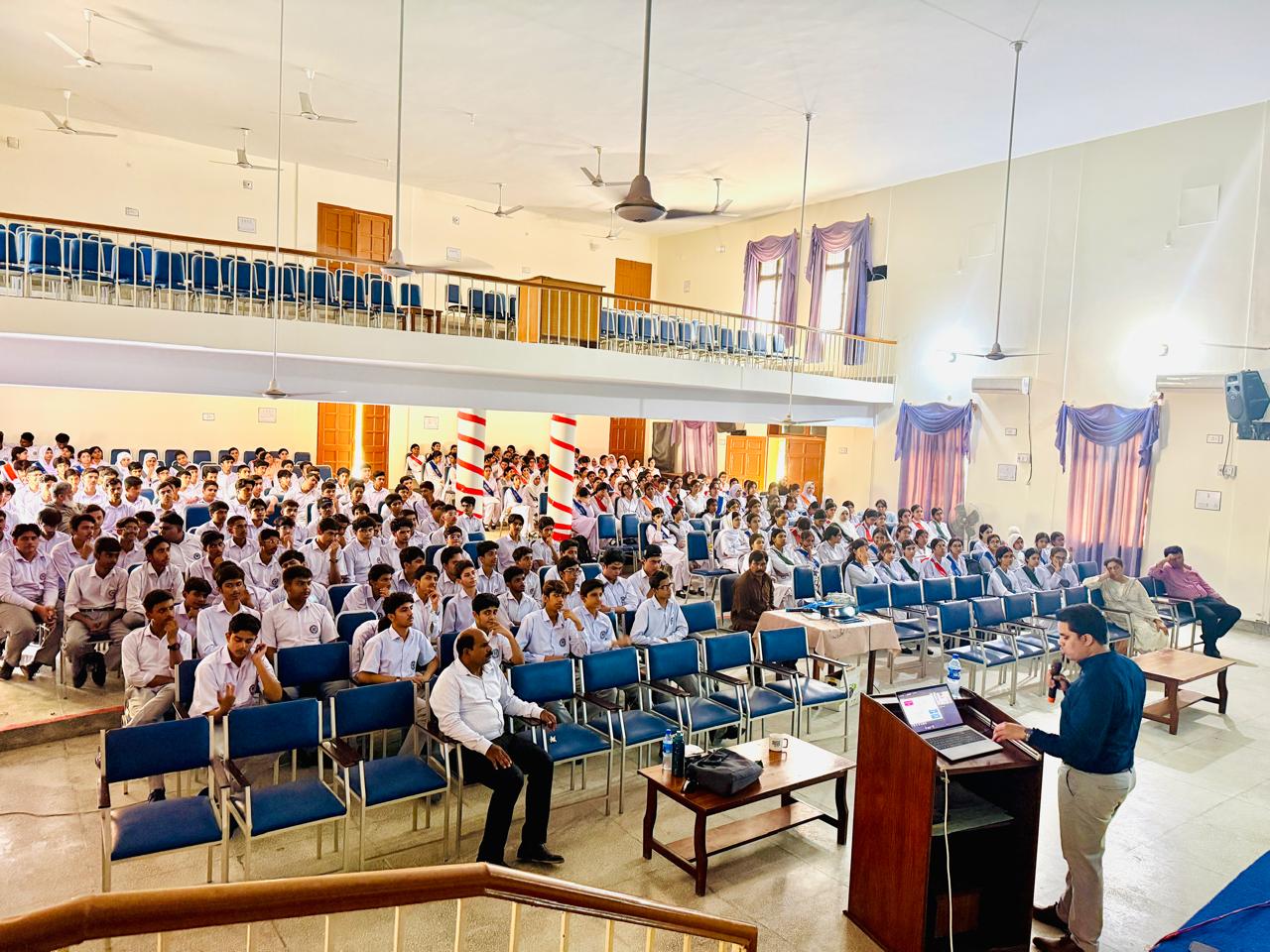
    In Faisalabad, sessions at Chenab College brought together more than 850 intermediate students in a comprehensive discussion on admissions standards, academic preparedness, and scholarship pathways. The scale of engagement reflected both the demand for reliable guidance and the aspiration among students to pursue leading universities.

    The outreach extended into Nankana Sahib, where Government Gurunanak High School hosted an interactive session attended by both faculty and students. As one of the region’s longstanding educational institutions, the visit emphasized institutional collaboration alongside student engagement, strengthening local support networks for prospective applicants.

    Across Chiniot, Jhang, and Toba Tek Singh, assemblies and focused discussions addressed subject selection, long-term academic planning, and financial documentation processes. The sessions aimed to demystify competitive admissions and provide clarity on how students from government institutions can effectively position themselves for national-level opportunities.

    By concentrating on historically underrepresented districts and engaging directly with high-achieving students, the outreach reinforced a central objective: transforming academic performance into actionable pathways toward higher education.

    LUMS
  • North & Federal Outreach Drive (Wah Cantt to Islamabad)

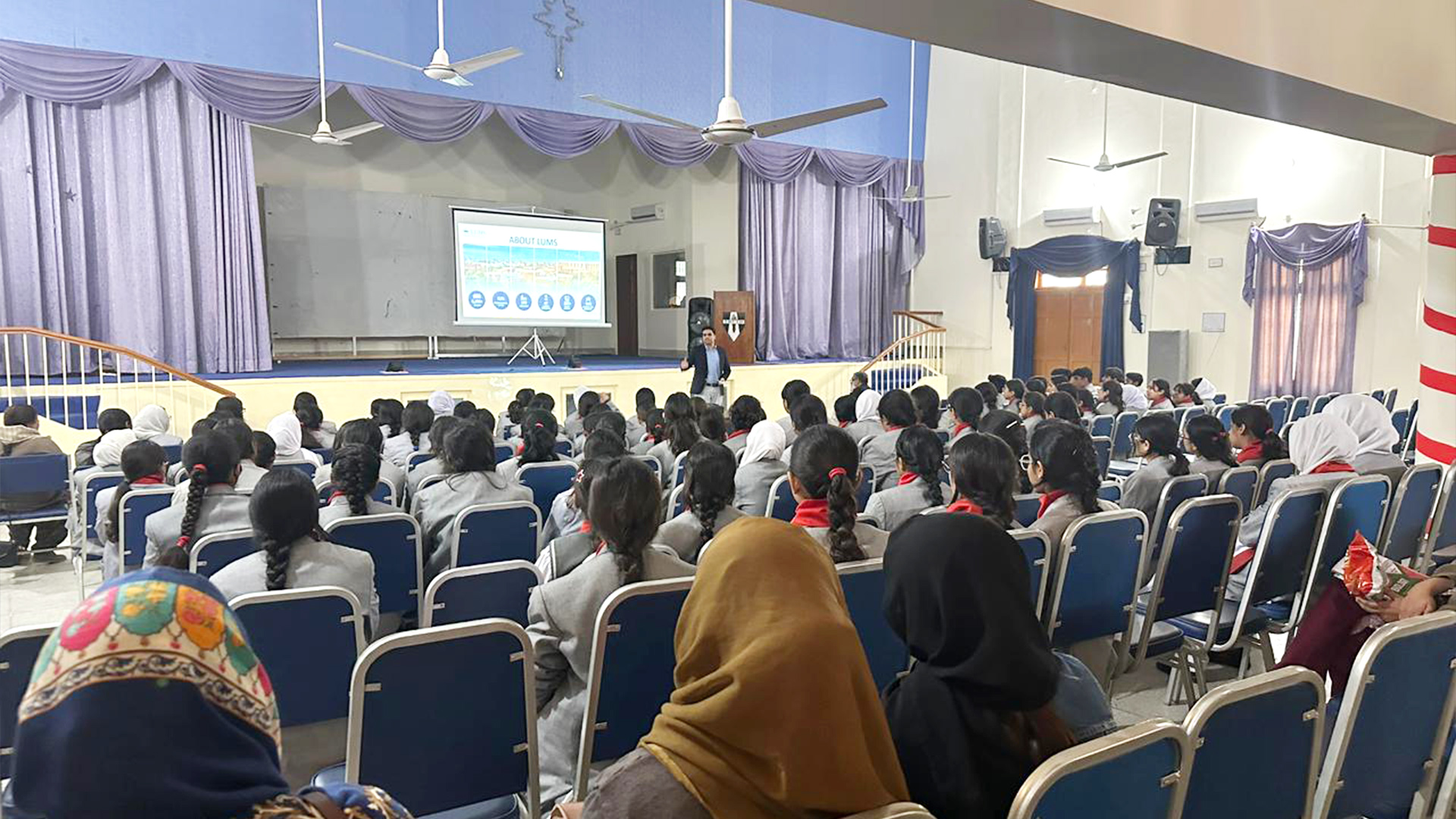
    The National Outreach Programme conducted an extensive multi-city engagement drive across Wah Cantt, Rawalpindi, Attock, Taxila, and Islamabad, reaching a total of 3,060 students from 17 colleges and institutions over five days.

    The outreach began in Wah Cantt, where sessions were held at F.G. Post Graduate College for Women, F.G. Degree College for Men, and F.G. Science Degree College for Men. The strong turnout reflected keen interest among students from both boys’ and girls’ institutions.

    In Rawalpindi, engagement expanded to F.G. Sir Syed Degree College (The Mall), Global College for Girls, and Global College for Boys. At F.G. Post Graduate College for Women (Kashmir Road), where the student body exceeds 1,300, informational material and detailed briefings were provided to institutional representatives for onward dissemination.

    The team continued to Attock (Minhas Kamra), conducting sessions at Fazaia Inter College and Army Public Colleges for both boys and girls, engaging a large cohort of students with detailed guidance on eligibility, financial aid processes, and the Summer Coaching Session pathway.

    In Taxila, outreach covered HITEC Colleges for Boys and Girls and Cadet College, where participation remained high and discussions centered on academic excellence, equal opportunity, and fully funded access to LUMS.

    The drive concluded in Islamabad with visits to Ali Trust College and Scienta Colleges (Boys and Girls). At the Junior Campus of Ali Trust College, posters and detailed briefings were shared with administration, and collaboration through alumni networks was encouraged to amplify outreach impact.

    Across all sessions, students were guided through application procedures, financial documentation requirements, and the structure of the Summer Coaching Session. Particular emphasis was placed on dispelling the misconception that financial constraints limit access to quality higher education. Real success stories were shared to demonstrate that merit and determination remain central to the NOP pathway.

    Medical and science students were also introduced to research initiatives at SBASSE, including developments such as the LUMS-1 protein research, broadening awareness of academic opportunities within the sciences.

    This outreach cycle reinforced NOP’s commitment to equitable access by engaging diverse institutions (public sector colleges, cadet colleges, private institutions, and large federal colleges) ensuring students across socio-economic backgrounds are informed and empowered.

    NOP
  • Extensive visit to Rahim Yar Khan, Sadiqabad, Bahawalpur, and Lodhran

    The National Outreach Programme continued its engagement across South Punjab with an extensive visit to Rahim Yar Khan, Sadiqabad, Bahawalpur, and Lodhran, reaching approximately 1,570 students across 13 institutions. The outreach brought meaningful interaction to both government and private sector institutions, reinforcing NOP’s commitment to equitable access to higher education.


    NOP


    In Rahim Yar Khan, sessions at Punjab Daanish School (Boys and Girls) and Sheikh Zayd Higher Secondary School allowed the team to connect with a large and academically motivated student body. Engagement with Daanish Schools remained a significant step in strengthening access for high-potential students from financially constrained backgrounds. Discussions centered on admissions transparency, financial aid support, and the Summer Coaching Session pathway.

    The visit to Sadiqabad included Madrisa Tul Binaat and Iqra School and Colleges, including its Bypass campus. The sessions witnessed strong female participation and thoughtful engagement from students eager to understand eligibility criteria, documentation requirements, and long-term academic planning. Students were guided on how merit and financial need are evaluated together within the admissions framework.


    NOP


    In Bahawalpur city, outreach activities at Dominican Convent Higher Secondary School, Government Graduate College for Women, and Government Postgraduate and Degree College extended the programme’s reach to diverse academic streams. Particular emphasis was placed on clarifying misconceptions surrounding affordability and reinforcing that financial constraints do not limit access to LUMS.

    The concluding leg in Lodhran, at Alizium School & College and AIMS School and College, focused on structured guidance regarding SCS 2026 applications and financial verification procedures. Pre-medical students received dedicated counselling related to the BS Biology programme and research innovation at SBASSE. Institutional counselors were also provided hands-on guidance to better support applicants in completing the SCS process.


    NOP


    This base visit strengthened NOP’s footprint in Southern Punjab, ensuring that talented students from historically underrepresented districts are informed, encouraged, and equipped to pursue competitive higher education opportunities.

    NOP

Pagination

  • Next page ››

Ask NOP

Ask NOP

Postal Address

NOP Centre, LUMS

Lahore University of Management Sciences (LUMS)

Sector U, DHA, Lahore Cantt. 54792, Pakistan


Contact Information

Phone: +92-42-3560-8000, Ext: 2179

Email: helpdesknop@lums.edu.pk

Website: https://nop.lums.edu.pk 
 

CAPTCHA

Web Chat

November - April


Office Hours

Monday to Friday: 8:30 AM – 5:00 PM


Quick Links

NOP Application Process

Resources

FAQs

این او پی سے پوچھیں

ڈاک کا پتا 

نیشنل آؤٹ ریچ پروگرام سنٹر، لمز

سیکٹر یو، ڈی ایچ اے

لاہور کینٹ 54792، پاکستان


رابطے کی معلومات 

ٹیلی فون: +92-42-3560-8000

ای میل: nop@lums.edu.pk

ویب سائٹ: https://nop.lums.edu.pk

Text field set
CAPTCHA

دفتری اوقات 

پیر جمعہ سے، صبح 8:30 بجے سے شام 5:00 بجے تک


فوری رابطے 

نیشنل آؤٹ ریچ پروگرام درخواست کا عمل 

حوالہ جات 

اکثر پوچھے گئے سوالات 

footer logo

  • parent one

    • Student affairs
    • Academic calendar
    • library
    • pay online
  • Parent Two

    • Financial Statements
    • phone directory
    • Campus Health
    • campus mail
  • parent three

    • contact us
    • Directions to LUMS
    • Careers
    • Privacy Policy
lets-talk

DHA, Lahore Cantt. 54792,     
Lahore, Pakistan

Phone: +92 42 3560 8000

  •  
  •  
  •  
  •  
  •  

Subscribe


Search for publications, programme, event, people and much more...

X

logo


We will get back to you shortly.
CAPTCHA
logo


We will get back to you shortly.
CAPTCHA
logo


We will get back to you shortly.
CAPTCHA

2026 © Lahore University of Management Sciences. All Rights Reserved.